Jaga Lisan

In the digital era, technological developments have transformed the way people interact, work, and build social connections. This transformation is also closely related to the field of Industrial Engineering, Universitas Islam Indonesia (UII), particularly in understanding the relationship between humans, technology, and systems. Amid these rapid changes, guarding speech has become an increasingly important responsibility in the digital era.

A single comment, message, or social media post can now reach millions of people within minutes. It may take only a few seconds to write, but the responsibility that comes with those words can be much greater. Amid the rapid flow of information, we often forget that every word we type is part of our communication. In Islamic teachings, our words can become a gateway to goodness, but they can also become a source of harm.

Two Stories That Sparked Public Attention

Recently, the public was reminded of the power of words through two incidents that began with comments and posts on social media.

The first was the story of Mr. Pitono, a grandfather who regularly sells clothes through TikTok livestreams under the account toko.pa.pitono. Instead of receiving support, his products were mocked and compared to clothes taken from a neighbor’s clothesline or even from a trash can. Interestingly, Mr. Pitono responded calmly and even apologized to his audience. His attitude eventually sparked widespread public sympathy (TribunWow, August 8, 2026).

The second story was more heartbreaking. Yurizal Tri Chaerawan, a 29-year-old BPJS Kesehatan patient, shared a complaint on Threads on July 22, 2026, saying that he had waited eight hours for a hospital room. Instead of receiving empathy, his post received criticism, including comments from health workers on social media. About a week later, on July 31, 2026, Yurizal passed away.

There was no official medical report confirming that his death was caused by the long waiting time for a hospital room (Kompas, August 5, 2026). Nevertheless, the case sparked public discussion about how easily people can respond to someone’s suffering without knowing the full context of their situation.

“Things from the trash.” “Please prioritize.” “Alay.”

Words like these may take only a few seconds to type, but their impact can remain in someone’s heart for years. A careless comment can become a wound that is difficult to erase.

Safeguarding Speech in the Digital Era from an Islamic Perspective

The Messenger of Allah (peace be upon him) said:

مَنْ كَانَ يُؤْمِنُ بِاللَّهِ وَالْيَوْمِ الْآخِرِ فَلْيَقُلْ خَيْرًا أَوْ لِيَصْمُتْ

“Whoever believes in Allah and the Last Day, let him speak good or remain silent.”

(Narrated by Bukhari and Muslim)

This hadith teaches us that silence is not a loss. Instead, knowing when to remain silent can be a manifestation of faith. The Prophet Muhammad (peace be upon him) also reminded us that a person may utter a word that pleases Allah and raises their status, while another word may displease Allah and cause them to fall into Hell (Narrated by Bukhari).

The distance between these two possibilities can be very small. In the digital era, our fingers can type words faster than we can consider their consequences.

Allah also says in Surah Qaf (50:18):

مَا يَلْفِظُ مِنْ قَوْلٍ إِلَّا لَدَيْهِ رَقِيبٌ عَتِيدٌ

“He does not utter a word except that there is an observer ready to record it.”

This verse reminds us that our words are never beyond accountability. Although the verse refers to what a person utters, its message can also encourage us to reflect on our behavior in the digital world. Every comment, message, and post we create carries responsibility.

From Speech to Writing: Our Fingers Can Speak Too

Some people feel that what they write online is different from speech because it is not spoken aloud. However, writing can function as another form of communication and can carry consequences similar to spoken words.

Therefore, guarding speech in the digital era does not only mean controlling what comes out of our mouths.. It also means being careful with every piece of writing, comment, caption, and message that we share.

Writing can even be more lasting than spoken words. Speech may disappear after it is spoken, while writing can remain on a server, be copied, redistributed, and read by thousands of people. A hurtful comment can continue to spread even after its author has forgotten about it.

Islam also teaches us to speak well of those who have passed away and to refrain from spreading their faults (Narrated by Abu Dawud and al-Tirmidhi). This principle remains relevant in the digital era, where information about someone can easily be preserved and shared long after the original event.

The Qur’an for All Ages

Quran and guarding speech in the digital era

Some people may assume that religious teachings are outdated and disconnected from modern life. However, the challenges we face today often reflect the same human weaknesses that have existed throughout history.

Allah says in Surah Al-Hujurat (49:12):

وَلَا يَغْتَبْ بَعْضُكُمْ بَعْضًا ۚ أَيَحِبُّ أَحَدُكُمْ أَنْ يَأْكُلَ لَحْمَ أَخِيهِ مَيْتًا فَكَرِهْتُمُوهُ

“Do not backbite one another. Would any of you like to eat the flesh of his dead brother? You would detest it.”

The verse teaches us to avoid backbiting and speaking negatively about others. In today’s digital environment, this principle can be applied to social media discussions, comments, and posts that expose or ridicule other people’s shortcomings.

Similarly, Allah says in Surah An-Nur (24:19):

نَّ الَّذِينَ يُحِبُّونَ أَنْ تَشِيعَ الْفَاحِشَةُ فِي الَّذِينَ آمَنُوا لَهُمْ عَذَابٌ أَلِيمٌ فِي الدُّنْيَا وَالْآخِرَةِ

“Indeed, those who love that immorality should spread among the believers will have a painful punishment in this world and the Hereafter.”

In the age of social media, information can become viral within seconds. Spreading someone’s disgrace, sharing harmful content, or participating in online attacks can amplify harm far beyond the original situation.

Surah Al-Qalam (68:10-11) also warns against following those who are contemptible, constantly slandering others, and spreading malicious gossip.

In the age of algorithms, those who spread slander can easily use other people’s pain as content. A personal tragedy can become entertainment, a private mistake can become public material, and a single careless comment can reach an enormous audience.

This reminds us that divine guidance is not limited to a particular era. While the forms of human problems continue to change, their roots often remain the same: uncontrolled desires, careless words, and an unguarded heart.

Reflection

Before typing a comment, message, or post, perhaps we should pause and ask ourselves:

  • Would I say these words if the person were standing right in front of me?
  • Do I know the full context of the story, or am I judging based on a single post?
  • Am I standing up for the truth, or am I simply joining the crowd?
  • Will my comment become a prayer, or could it become another wound for the person who reads it?

There is one more question worth considering: When was the last time we stopped our fingers before pressing “send”?

Perhaps one of the greatest acts of self-control today is typing half a sentence and then choosing to delete it.

The Prophet Muhammad (peace be upon him) said:

“Whoever believes in Allah and the Last Day, let him speak good or remain silent.”

In the digital era, this teaching is not only about what we say. It is also about what we choose to type, share, like, and amplify.

Wisely Guarding Our Speech in the Digital Era

The effects of our actions in cyberspace are real. Behind every account is a human being, and behind every screen is a heart that can be hurt.

Guarding speech in the digital era and keeping our fingers from writing hurtful words may seem like a small act, but it is an important form of self-discipline. Before sharing or commenting, we should pause, consider the context, and remember that our words carry consequences.

May we become people whose words bring blessings, whose writings spread goodness, and whose presence in the digital world never becomes a source of harm to others.

A peaceful heart begins with a guarded mouth and, in today’s digital world, with guarded fingers as well.

Amen.

References

  • Kompas.com. (August 5, 2026). “BPJS Kesehatan Speaks Out Regarding JKN Participant Who Died After Complaining About Not Being Able to Get a Room.”
  • ANTARA News. “Facts About the Viral Case of Yurizal, the BPJS Patient Who Died.”
  • detikHealth. “Ministry of Health Explains the Facts Behind the Viral Case of BPJS Patient Waiting for 8 Hours, Turns Out to Be at RSCM.”
  • TribunWow. (August 8, 2026). “Viral: Grandpa Selling Dasters Insulted During TikTok Live, His Response Is Touching.”

Putri Dwi Annisa

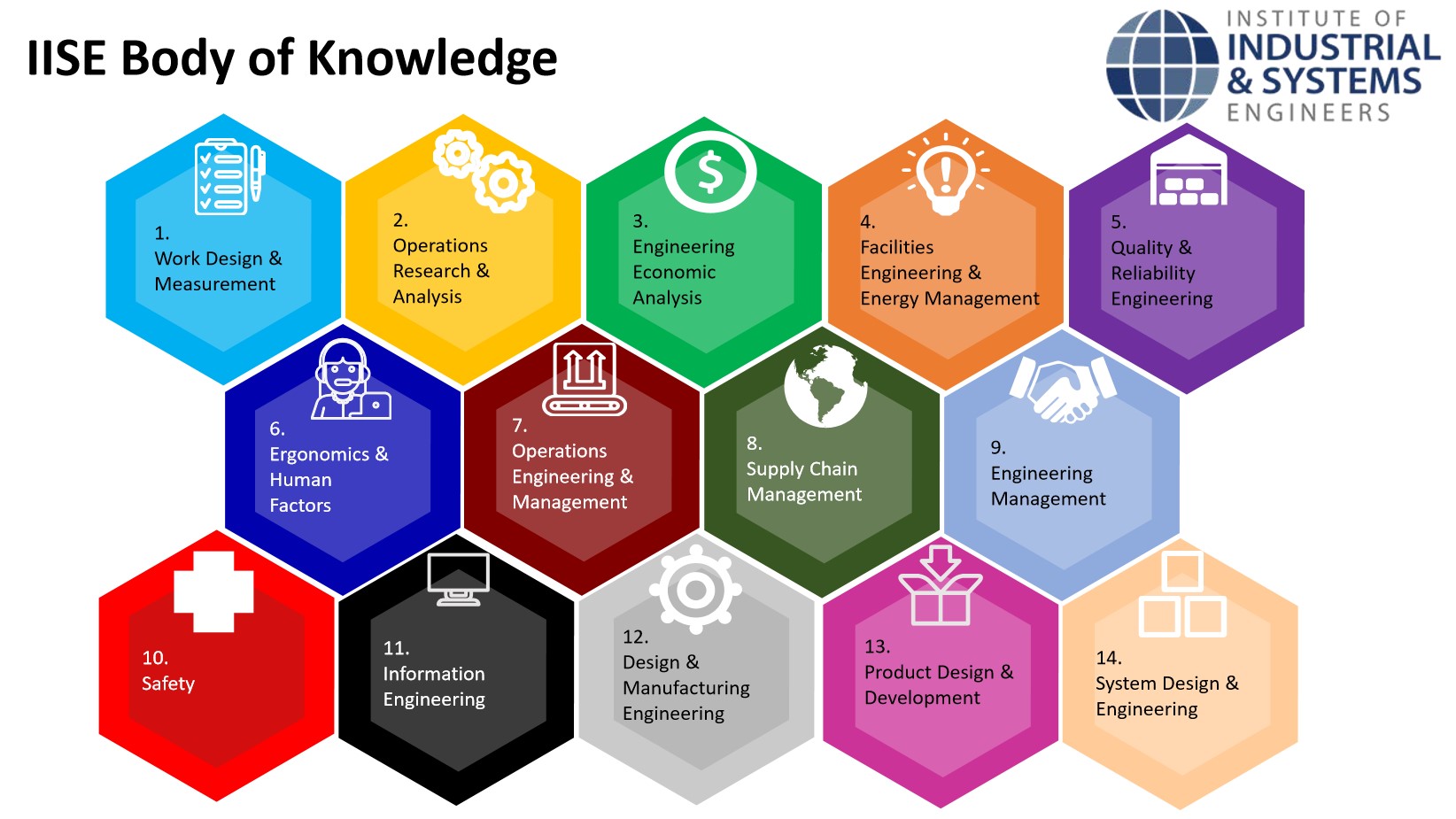
Industrial Engineering is a field of engineering with a broad scope of knowledge that adapts to changing times. Unlike other engineering majors that focus on specific products or machines, Industrial Engineering studies systems as a whole. These systems involve people, machines, materials, methods, and information.

This systems approach makes Industrial Engineering known as an engineering major with flexible career prospects. To understand this flexibility, we first need to look at the broad range of knowledge within Industrial Engineering.

Source: IISE.org

The scope of Industrial Engineering covers various important aspects of industry. Students learn about production planning and control, supply chain management, quality control, ergonomics, occupational safety and health (OSH), as well as work system analysis and design.

Industrial Engineering combines engineering and management knowledge. This combination helps graduates understand technical processes while also managing and optimizing overall industrial systems. This broad range of knowledge creates many career opportunities for Industrial Engineering graduates.

Wide Career Options for Industrial Engineering Graduates

The career flexibility of Industrial Engineering graduates can be seen from the wide range of available job opportunities. Graduates can work in manufacturing, logistics, management consulting, human resources, quality assurance, supply chain, and data analysis.

Analytical skills, problem solving abilities, and process improvement skills also provide an advantage. These skills allow Industrial Engineering graduates to contribute to various sectors, including service and digital industries.

Industrial Engineering UII alumni also experience this career flexibility firsthand. One of them is Zahid Anugrah Muzaffar Rana, who currently works in the maritime and transportation logistics sector. According to him, his Industrial Engineering knowledge has greatly supported his work. This knowledge has developed a systematic way of thinking that helps him understand business processes as a whole.

“Industrial Engineering trains us to think systematically, which helps me analyze the company’s end-to-end business processes, operate ERP systems, and support operational problem solving in the field,” said Zahid.

Zahid’s experience shows that Industrial Engineering graduates can apply their knowledge beyond the manufacturing sector. Supply Chain Management, Enterprise Resource Planning (ERP), and Logistics Management are among the areas that he finds most applicable in his work. These areas are closely connected within an end-to-end business process.

The Role of Industrial Engineering UII in Preparing Graduates

Industrial Engineering UII also supports students in preparing for careers across various fields. The learning process combines theory and practice through laboratory sessions, internships, and industrial system design projects.

Students also use laboratory facilities to support practice based learning. In addition, students become familiar with various supporting software to prepare for the demands of the workplace.

Overall, Industrial Engineering offers broad career flexibility. Graduates can work in manufacturing as well as other fields such as services, logistics, and digital industries.

The learning process at Universitas Islam Indonesia also combines theory and practice. Through this process, students develop analytical and problem solving skills that match workplace needs. These skills help Industrial Engineering graduates adapt and contribute to various industrial sectors.

Albin M Wiryawan

Not every feeling of lack comes from having too few blessings; often, it comes from a lack of gratitude. People tend to focus on what they do not have, while what they already possess becomes ordinary and easily overlooked. Growing desires can gradually obscure our awareness of the blessings that are already present in everyday life. The water we drink, the health we enjoy, and the opportunity to go through each day in peace are often taken for granted, even though they are invaluable blessings. When people begin to recognize the value of these simple things, they come to understand that happiness does not always come from having more. It is through awareness of these simple blessings that the key to a peaceful life and a sense of contentment in the heart can be found.

Understanding Contentment and Appreciation

The importance of gratitude is not only understood through life experiences but is also emphasized in Islamic teachings. The Prophet Muhammad ﷺ said:

مَنْ لَمْ يَشْكُرِ الْقَلِيلَ لَمْ يَشْكُرِ الْكَثِيرَ، وَمَنْ لَمْ يَشْكُرِ النَّاسَ لَمْ يَشْكُرِ اللَّهَ

“Whoever does not give thanks for what is little will not give thanks for what is much. And whoever does not thank people has not thanked Allah.” (HR. Ahmad)

Through this hadith, we can understand that gratitude begins with appreciating small blessings, such as health, time, and peace. By developing the habit of recognizing these simple blessings, people can cultivate contentment and inner peace. On the other hand, overlooking small blessings can make people constantly feel that they lack something and make it difficult for them to find satisfaction in life.

Finding Meaning in Everyday Life

The meaning of gratitude is not only conveyed through hadith but is also often emphasized in the teachings of Islamic scholars and preachers. Habib Husein Ja’far Al Hadar reminds us that a life that may seem “ordinary” to one person could be someone else’s dream. He said:

“The life you may consider ordinary could be someone else’s dream, so be grateful.”

This message teaches us that contentment arises from the awareness of recognizing blessings with a clear heart. When people are able to recognize and appreciate what they have, they are less likely to become trapped in feelings of inadequacy. From this awareness grows a deeper sense of peace and happiness in life.

Ultimately, gratitude is not merely about accepting blessings, but also about viewing life with a deeper sense of awareness. Gratitude can be cultivated through simple practices in everyday life, such as recognizing small blessings before complaining about what is lacking, using what we have for good, and appreciating the role of others in our lives. Making a habit of expressing gratitude, maintaining humility, and viewing life from a broader perspective can nurture a sense of contentment in the heart. By consistently cultivating gratitude, people can not only experience greater peace but also discover the true meaning in every circumstance.

Albin M Wiryawan

Bertahan di Tengah Arus Modern

Maintaining faith in the modern era can be challenging amid the rapid development of technology, changing lifestyles, and social media. While technological advances offer many benefits, they also present challenges for Muslims to remain committed to Islamic values. In an educational environment such as Industrial Engineering UII, students also encounter these developments as part of their academic and social lives.

Amid a constantly changing world, faith serves as a guide to help people stay on the right path. Keeping up with the times does not mean following every trend. Rather, it means choosing what brings goodness without allowing oneself to drift away from Allah.

Maintaining Faith in the Modern Era

Islam does not prohibit Muslims from embracing modern developments. Muslims can continue to learn, work, socialize, and use technology as long as these activities remain within Islamic values.

Technology can even serve as a means of learning about Islam, spreading goodness, and broadening knowledge. A study titled “Enhancing Student Religiosity Through Islamic Content and Influencer Expertise: Social Media Contribution as Mediator,” involving 180 Muslim university students, found an association between the quality of Islamic content on social media and religious practices. This suggests that the issue is not simply whether technology should be used, but how and for what purpose it is used. Social media can become a platform for learning and spreading Islamic teachings, but it can also become a space for seeking validation and attention.

Challenges to Maintaining Faith in the Modern Era

Modern life makes it increasingly easy for people to see the achievements, lifestyles, and personal lives of others through social media. Without realizing it, this can encourage people to compare themselves with others and seek recognition.

This issue is also discussed in the study “Piety, Social Pressure, and Riya’: Religious Practices of Yogyakarta Urban Muslim Youth in Digital Media,” which examines urban Muslim youth in Yogyakarta. The study shows that digital media can provide a space for young people to express their religious devotion while also creating social pressure through the pursuit of likes and followers.

This is where faith plays an important role as a reminder. Muslims should ask themselves: “Am I doing this truly for Allah, or because I want to be seen and recognized by others?”

The World Is Temporary

Allah reminds humanity about the nature of worldly life in the Qur’an:

اِعْلَمُوْٓا اَنَّمَا الْحَيٰوةُ الدُّنْيَا لَعِبٌ وَّلَهْوٌ وَّزِيْنَةٌ وَّتَفَاخُرٌۢ بَيْنَكُمْ وَتَكَاثُرٌ فِى الْاَمْوَالِ وَالْاَوْلَادِۗ كَمَثَلِ غَيْثٍ اَعْجَبَ الْكُفَّارَ نَبَاتُهٗ ثُمَّ يَهِيْجُ فَتَرٰىهُ مُصْفَرًّا ثُمَّ يَكُوْنُ حُطَامًاۗ وَفِى الْاٰخِرَةِ عَذَابٌ شَدِيْدٌ ەۙ وَّمَغْفِرَةٌ مِّنَ اللّٰهِ وَرِضْوَانٌ ۗوَمَا الْحَيٰوةُ الدُّنْيَآ اِلَّا مَتَاعُ الْغُرُوْرِ

“Know that the life of this world is only play, amusement, adornment, boasting among yourselves, and competition in wealth and children, like rain whose resulting plants please the farmers; then they dry, and you see them turn yellow, and then they become debris. And in the Hereafter there is severe punishment, as well as forgiveness and pleasure from Allah. And the life of this world is nothing but the enjoyment of delusion.” QS. Al-Ḥadīd [57]: 20

This verse reminds us that worldly life is temporary. What may seem extremely important today will eventually pass. Popularity, followers, trends, appearance, wealth, and worldly achievements are not the ultimate measures of human success.

Therefore, worldly possessions may be enjoyed and utilized, but they should not cause the heart to lose sight of its ultimate purpose. Times may change, but faith should remain our guiding principle.

5 Ways to Maintain Faith in the Modern Era

Bertahan di Tengah Arus Modern

How can Muslims remain steadfast amid the currents of modern life? Maintaining faith in the modern era requires consistency in how we worship, interact with others, and use technology.

First, maintain a strong relationship with Allah. The demands of worldly life should not become an excuse to neglect worship. Prayer, supplication, reading the Qur’an, and remembering Allah can help keep the heart grounded and directed toward Him.

Second, choose a good environment. Social relationships have a significant influence on the way people think and behave. Good friends can remind us when we become careless, strengthen us when we feel weak, and encourage us to do good.

Third, use social media wisely. Not every piece of information needs to be consumed, and not every trend needs to be followed. Muslims should learn to choose beneficial content and avoid things that may negatively affect character or disturb inner peace.

Fourth, maintain sincerity. When doing good deeds, the opinions of others should not become the primary motivation. Actions performed for Allah do not always need to receive recognition from other people.

Fifth, continue learning. A changing world requires knowledge. With sufficient religious knowledge and broader understanding, Muslims can better distinguish between progress that brings benefit and changes that may lead them away from Islamic values. Educational environments can also provide opportunities for students to develop knowledge, skills, and values that support them in navigating modern life.

Staying Faithful in a Changing World

Ultimately, maintaining faith in the modern era does not mean rejecting technology or avoiding change. Instead, Muslims should learn to embrace modern developments wisely while continuing to uphold Islamic values and maintain their sense of direction.

Times may change. Technology may continue to develop. The way people communicate may evolve. Yet, faith remains a guiding principle.

Faith does not require us to leave the modern world; it teaches us not to lose ourselves within it.

By treating worldly life as a means to worship Allah and do good, Muslims can benefit from modern developments without allowing themselves to be swept away by them.

The greatest challenge is not living in an increasingly modern world, but remaining a servant of Allah when the world offers countless things that can make us forget Allah.


Kaila Bilbina M.S.

For the academic community of Industrial Engineering at Universitas Islam Indonesia, Pancasila is far from a mere theory remembered only during its birth anniversary on June 1st. Instead, this historic moment reminds students to consistently implement Pancasila values in their daily activities. UII has a strong connection to the nation’s foundation. The university’s founding fathers helped formulate Pancasila.

At the Sleman Integrated Campus, the university integrates Islamic and Indonesian values throughout the learning process. Consequently, the campus community preserves this historical momentum not as a repetitive annual routine. Furthermore, Pancasila stands as a moral compass for Industrial Engineering students and the wider Faculty of Industrial Technology (FTI) family in navigating global challenges. In today’s digital era, managing information on social media has become a major challenge. Therefore, digital communication ethics are increasingly important.

Pancasila Values Among Industrial Engineering Students at UII

Students apply Pancasila values through ethical digital communication in cyberspace. Industrial Engineering students understand system design and data governance. As a result, they verify information before sharing news.

Moreover, the Ulil Albab character encourages students to express opinions politely, rationally, and based on facts. They use this filtering process to reduce hate speech, hoaxes, and digital provocations. Consequently, they help prevent social conflicts. This commitment to Pancasila helps curb misinformation. In addition, it also supports social stability and national unity.

How Industrial Engineering Students at UII Promote Unity Through Diversity

Meanwhile, students apply Pancasila values through collaboration and teamwork. This is evident within the learning ecosystem and daily social interactions on campus. Domestic migrant students from various corners of the archipelago and international students blend together seamlessly. They gather without regard for differences in ethnicity, race, or cultural background.

Jihan, an Industrial Engineering student from Riau, shared her perspective on the social dynamics on campus.

“As a student from outside the region, I feel well received in the campus environment. Students do not let regional differences hinder friendship or collaboration, allowing me to adapt comfortably and grow alongside my peers,” she said.

Echoing this sentiment, Yaser, an international student from Yemen in the International Program (IP) of Industrial Engineering at UII, also experienced this inclusive atmosphere firsthand. Both lecturers and fellow students treat him equally without discrimination within the campus environment as a reflection of Pancasila’s tolerance.

“Although I sometimes still find social situations a bit challenging due to language barriers, overall, I really enjoy my learning experience here because everyone is very open and supportive,” Yaser expressed.

Through this mutually supportive campus atmosphere, the faculty has successfully created a comfortable learning environment for everyone. Differences in regional and national origins actually make friendships within FTI UII even more harmonious.

Kaila Bilbina M.S

Kita semua pasti kalut saat menghadapi dua pilihan untuk memprioritaskan peluncuran produk baru yang telah melalui banyak riset atau mengumpulkan dana dan menundanya karena khawatir target waktu tidak akan tercapai. Atau mungkin sedang memikirkan keinginan pelanggan yang tak tahu cara mendeskripsikan apa sejatinya mereka inginkan? Mengenalkan model Kano sepertinya menjadi saran yang tepat pada situasi ini. Kano model atau Analisis Kano adalah sebuah teori untuk mengembangkan produk dan meningkatkan kepuasan pelanggan.

Let me brew you up a hot cup of this fascinating model 

Apa Itu Kano Model?

Noriaki Kano seorang profesor dari Tokyo University of Science mengenalkan model ini pertama kali pada tahun 1984. Model Kano berguna dalam memberikan bantuan yang berharga saat mengalami trade-off dalam tahap pengembangan produk dan jasa. Jika tidak dapat memenuhi persyaratan produk secara bersamaan karena alasan teknis atau keuangan, mengidentifikasi kriteria dapat dilakukan dengan mengetahui pengaruh terbesar terhadap kepuasan pelanggan. Kualitas produk atau jasa akan melahirkan kepuasan pelanggan, sedangkan berbagai aspek yang berkesinambungan dengan produk atau servisnya, seperti pembelian, penggunaan, hingga maitenance produk akan mempengaruhi user experience.

Apa Fungsi dari Kano Model?

  • Mengetahui lima kategori umum tentang kebutuhan pelanggan akan produk dan jasa. Tujuannya untuk meningkatkan dan memperhatikan agar tetap berada pada kompetisi pasar.
  • Memperlihatkan setiap lima kategori umum yang akan mempengaruhi kepuasan dan ketidakpuasan pelanggan
  • Memperlihatkan bagaimana dua kategori dapat meningkatkan atau menurunkan nilai dan satu kategori yang dapat menumbuhkan nilai baru 
  • Membantu perusahaan mengetahui kebutuhan dan keinginan pelanggan melebihi yang pelanggan ketahui.
  • Membantu perusahaan untuk mengetahui dan mengklasifikasi kebutuhan pelanggan potensial atau penambahan fitur  dalam pengembangan produk.

Bagaimana Cara Penggunaan Kano Model?

Model Kano mendorong profesional CX untuk mempertimbangkan bagaimana produk dan layanan perusahaan mereka berhubungan dengan kebutuhan pelanggan. Secara khusus, Model Kano menekankan perlunya memberikan perhatian khusus pada tiga bidang:

  • Must-have element atau elemen yang harus dimiliki yang merupakan persyaratan mendasar untuk memberikan produk atau layanan. Contonya, saat memesan kamar hotel, kita mengharapkan water-heater, pendingin ruangan, dan tempat tidur dengan seprei bersih sebagai minimum mutlak. 
  • Performance attributes atau atribut kinerja yang dapat meningkatkan kepuasan pelanggan dengan menawarkan lebih besar, lebih baik atau lebih cepat. Contohnya, dengan mengetahui kamar hotel memiliki fasilitas broadband supercepat yang gratis dan TV HD, kita akan merasa senang.
  • Kualitas, properti, atau atribut yang berfungsi sebagai delighters yang melampaui harapan pelanggan. Contonya, kamar hotel telah menyediakan greeting-card beserta welcome drink juga snack nya

Namun, banyak perusahaan berfokus pada peningkatan atribut kinerja untuk meningkatkan kepuasan pelanggan, dengan gagasan bahwa lebih banyak selalu lebih baik. Tetapi Model Kano menyatakan bahwa memiliki dan merasakan user-experience merupakan atribut yang paling mempengaruhi kepuasan pelanggan.

Sejatinya, memiliki atribut kinerja tersebut tidak akan mempengaruhi peningkatan kepuasan pelanggan. Namun jika tidak memilikinya, akan menyebabkan menurunya kepuasan yang didapatkan oleh pelanggan. Sedangkan user-experience yang baik akan menghasilkan kepuasan yang lebih tinggi dan saat pelanggan tidak mendapatkannya akan menyebabkan ketidakpuasan karena tidak pernah mengharapkannya.


Sumber: 

UX Ness. (2015, July). What is Kano Model. UXNess: https://www.uxness.in/2015/07/kano-model.html

Singh, A. (t.thn.). The Kano Model: Driving customer experience improvement. Verizon: https://www.verizon.com/business/resources/articles/driving-customer-experience-improvement-with-the-kano-model/

Mind Tools. (2018). Kano Model: Analysis Delivering Products That Will Delight. MindTools: https://www.mindtools.com/pages/article/newCT_97.htm

‘Azzam, A. (2021). Kano Model. Desa Ilmu: https://www.instagram.com/desailmu/

Ide adalah produk yang diperoleh dari proses panjang, berulang, penuh dengan kegagalan, dan perbaikan. Ide menjadi jembatan untuk dapat berpikir kreatif. Kedua hal ini penting karena membantu melihat masalah dan situasi dari perspektif baru. Kreativitas menjadi pendamping pikiran yang kritis. Karena menciptakan pemikiran adalah cara untuk mengembangkan solusi baru atau tidak ortodoks yang tidak sepenuhnya bergantung pada solusi masa lalu atau saat ini.

Jika kamu tidak bisa berpikir hal yang catchy untuk sebuah presentasi atau apapun dalam pekerjaan mu, coba berjalan. Cukup dengan mengelilingi ruangan atau berjalan keluar menghirup udara segar akan senantiasa meningkatkan kreatifitas dengan signifikan. Berjalan akan memicu tubuh untuk mengeluarkan hormon endorfin. Endorfin berinteraksi dengan reseptor di otak yang mengurangi persepsi rasa sakit, juga memicu perasaan positif dalam tubuh. Emosi positif secara kondusif untuk kreativitas karena memperluas pikiran dan meningkatkan tingkat fokus.

Banyak dari kita yang sudah mendengar bahwa olahraga, termasuk jalan kaki akan meningkatkan kemampuan berpikir, mulai dari kemampuan sesaat maupun yang akan bertahan lama. Beberapa penelitian yang menunjukan bahwa setelah berolahraga manusia akan mendapatkan nilai yang lebih baik dalam test memory dan executive function (tes kemampuan untuk membuat keputusan dan mengatur pikiran).

Demikian pula, olahraga telah lama dikaitkan dengan kreativitas. Menurut Dee (2021), artist dan penulis generasi milenial akan berjalan untuk menyegarkan pikiran disaat mencari ide. Selain untuk mendapatkan ide, berjalan juga menjadi sarana meredakan panic attack saat akan berhadapan dengan orang banyak, menghadiri acara besar, atau mendapat kabar menegangkan.

Menurut Oppezzo (2018), manusia dengan ide sebanyak yang mereka bisa dan harus memutuskan: Apakah ini kreatif atau tidak? Definisi kreativitas yang disukai banyak orang adalah “kebaruan yang sesuai” atau “appropriate novelty”. Dengan sesuatu yang sesuai dan harus realistis.

Here are some tips:

  1. Saat berjalan, mulai pikirkan dari hal yang makro. Berpikir dari setiap sudut pandang secara general akan memperluas sudut pandang dan mempertimbangkan kemungkinan dari sebuah kejadian. Kita akan mudah menemukan hubungan dari setiap elemen yang terlibat.
  2. Jika kamu lebih suka berlari daripada berjalan, lakukanlah dengan kecepatan yang membuat nyaman. Saat merasa nyaman dengan kecepatan berjalan, yang ada dalam pikiran bukan lagi tentang perjalanan namun apa ide yang ingin didapatkan atau masalah yang akan dipecahkan.
  3. Berjalan sejauh mungkin untuk mendapatkan ide yang lebih banyak. Salah satu kunci kreativitas adalah tidak mengunci ide pertama. Terus berjalan, berlanjut, dan menemukan ide baru, sampai meneguhkan hati memilih satu atau dua yang terbaik untuk dikejar.
  4. Jika khawatir karena tidak dapat menuliskannya, lakukan dengan merekam ide dengan berpura-pura berbicara dengan partner saat sedang brainstorming. Karena tindakan menuliskan ide bisa menjadi filter. Kita akan bertindak seperti, “Apakah ini cukup bagus untuk ditulis?” Jadi, bicaralah sebanyak yang Anda bisa, rekam, dan pikirkan nanti.
  5. Saat ide tidak kunjung datang, jangan berjalan dengan waktu yang panjang. Mengistirahatkan tubuh dan pikiran dapat menjadi pilihan saat dalam keadaan .

Sejatinya, ilmu tentang berjalan mengubah berbagai proses mental yang berhubungan dengan kreativitas karena meningkatkan suasana hati sebagai efek utamanya (Reynold, 2018).


Sources:

https://artsydee.com/how-to-get-ideas-for-drawing/

https://www.ted.com/talks/marily_oppezzo_want_to_be_more_creative_go_for_a_walk?language=en

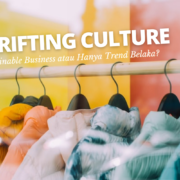
Thrifting Culture, budaya lama yang menarik perhatian kawula muda.

Thrifting merupakan pop culture yang mendapat stigma buruk, kini popularitasnya kian meroket. Mengambil dari kata Thrive atau berkembang dan kata lain Thrifty atau penggunaan barang secara baik dan efisien.

Thrifting culture berkembang dari masa ke masa dengan sejarah yang beragam dari berbagai sumber. Menurut Thirft World (2020) produksi masal dan banyaknya pakaian lama yang terbuang menjadi penyebab terbentuknya ide thrifting. Pada 1897 Umat Kristiani Amerika mengumpulkan dan menjual kembali barang bekas untuk disumbangkan, kegiatan ini menjadi titik munculnya ide thifting.

Selama bertahun-tahun, thrift shop mulai bermunculan, mempekerjakan orang cacat dan bahkan menawarkan operasi layanan. “Pada saat yang sama, seiring pertumbuhan populasi perkotaan, ukuran tempat tinggal berkurang, begitu pula area di mana benda-benda yang tidak berguna dapat disimpan,” tulis Le Zotte. Peningkatan frekuensi perputaran barang rumah tangga terjadi dari industrialisasi. Kondisi ini disertai dengan lonjakan imigrasi, serta peningkatan permintaan produk bekas oleh orang Amerika.

Sejatinya, thrifting adalah kegiatan berburu barang-barang bekas yang digambarkan seperti mencari jarum ditumpukan jerami. Tapi, jangan salah Sob! Demi mendapatkan barang limited yang terjangkau, banyak juga yang rela melakukan war di e-commerce ataupun antri di thrift shop.

Thrift shop adalah wadah penampung  penjual barang bekas. Thrift shop membuka peluang bisnis baru di kalangan anak muda, dengan hanya mengeluarkan modal sedikit akan mendapatkan hasil yang berlimpah. Khususnya untuk merek dagang baju yang besar dan stok modelnya yang langka.

Di Indonesia thrift shop tersebar luas diberbagai daerah, mulai dari Bandung dengan pusat di Cimol (Cibadak Mall) dan Jakarta dengan Pasar Senen, Pasar Baru, Glondok Plaza, dan lain sebagainya yang menjadi rekomendasi tempat thrifting disana.

Dari segi bisnis, thrift shop menjadi ‘beken’ bermula dari wilayah pesisir laut (Sumatera, Batam, Kalimantan, dan Sulawesi) yang menjadi tempat masuknya barang impor (Voi, 2020). Beberapa tahun silam, alih-alih melabeli produk mereka sebagai ‘barang bekas’, penjual memasarkannya sebagai ‘barang impor’, hal ini dikarenakan stigma yang meluas dan masyarakat yang belum menyatu dengan budaya ini. Namun dewasa ini, masyarakat Indonesia mulai terbuka dan ikut memeriahkan thrifting culture.

Bisnis thrift shop menekan tingkat emisi industri fashion. Menutut United Nations Climate Change News (2019), perluasan sektor fashion sendiri menghasilkan 10% emisi gas rumah kaca karena rantai pasokan yang ekstensif dan penggunaan energi dalam produksi yang intensif. Menurut statistik dari 2018, sektor fashion menghasilkan 2,1 miliar ton CO2eq atau setara dengan 4% dari emisi karbon di seluruh dunia, dengan tiga negara industri terbesar, Prancis, Jerman, dan Inggris, menyumbang sebagian besar emisi.

Antara tahun 2000 dan 2014, sektor fashion tumbuh pada tingkat tercepat. Pabrikan memproduksi pakaian dua kali lebih banyak daripada 15 tahun yang lalu, sementara rata-rata pelanggan membeli 60% lebih banyak pakaian daripada 15 tahun yang lalu. Melansir dari dari UNEP (2021), sektor fashion menggunakan 93 miliar meter kubik air setiap tahun, dengan pewarnaan dan pemrosesan kain menyumbang sekitar 20% dari air limbah industri fashion secara global. Selain itu, industri fashion menyumbang 10% dari emisi karbon tahunan di seluruh dunia yang diperkirakan meningkat lebih dari 50% pada 2030.

Perkembangan zaman yang menyebabkan kerusakan merupakan hal yang salah terutama dalam ajaran Islam. Islam mengajarkan kita untuk melestarikan lingkungan dan melarang kita merusaknya (fasad). Al-fasad diungkapkan sebanyak 52 kali dalam Al-Qur’anul al-Karim, dengan berbagai macam dan variasi. Salah satunya dalam QS. Ar Rum ayat 41:

Tangan manusia telah menyebabkan kerusakan di darat dan di laut; Allah menghendaki agar manusia menderita sebagian (akibat) perbuatannya agar mereka kembali (ke jalan yang benar).

Fiqhul Bi’ah atau gerakan peduli lingkungan dalam agama Islam. Pada kenyataannya, budaya ini juga merupakan sunnah dasar Nabi Muhammad SAW, yang mendesak umat Islam untuk memiliki cukup, memakai pakaian polos, dan hanya mengungkapkan tanda-tanda kemakmuran materi mereka. Karenanya, melestarikan budaya thrifting dapat berimbas baik bagi manusia dan lingkungannya.


Reference:

https://thriftworld.com/blog/article/get-to-know-thrift-world

https://voi.id/en/bernas/20200/for-the-thrift-shops-historical-and-cultural-mission-used-clothes-should-not-be-expensive

https://www.unep.org/news-and-stories/story/putting-brakes-fast-fashion

Economics is a branch of science that studies how humans or society use limited resources in order to meet unlimited needs in the form of consumption of products and services both now and in the future (future consumption). Engineering economics or engineering economics is a course that studies decision making by using techniques in economics to assess alternatives in the world of engineering. In engineering economics, a decision maker needs to develop several choices by taking into account the optimization of the cost effectiveness arising from these choices. The techniques in question are:

Net Present Value (NPV), which is a net estimate of the value of cash flows over the life of the project / economic life that is converted to present value.
Payback Period, which is the period required to return the entire investment value.
Return on Investment (ROI) or in other terms also known as Rate of Return (ROR), which is an indicator of investment performance measurement. ROI is a ratio that compares income from investments to the value of the investment itself.
Internal Rate of Return (IRR) or often also referred to as Economic Rate of Return (ERR), which is the discount value (i) when the NPV is zero.
Benefit Cost Ratio (B / C Ratio), which is a ratio that compares the value of benefits with costs incurred.
The valuation technique above, views interest (i) as a variable that plays an important role in considering alternative decisions. Interest or interest in Indonesian, born through the concept of time value of money or Time Value of Money (TVM). Money is often defined as something agreed upon by the public as a medium of exchange replacing the barter system that was previously known before. The concept of TVM views that the value of money is a function of time. That is, the present value of money (t) will be more valuable than the value of money in the future (t + n). This causes that when money is used to meet a need, there will be opportunities that are lost rather than just being saved. In addition, money is a limited resource, so money owners must be careful when using it. Therefore, when allocating money for certain needs, a person or an organization needs to be sure that in the future he will get money with a greater value than now. From this understanding an adage is born that interest (i) is the price of money. This is the rational argument for the application of interest at the strategic, operational and tactical level in the global economic system.

What is the Islamic view of TMV? Some parties who allow interest in investment schemes rely on the postulates of debt and misfortune when debt is not paid / paid when people die.

“Being killed in the way of Allah abolished all except debt” HR Muslim.
“That the Prophet sallallaahu ‘alahi wa sallam brought to him the body, so he said,” Does he have a debt? “. They say, “No”. Then Nabipun mendolalatnya. Then another janazah was brought in, then the Prophet sallallaahu ahi alahi wa sallam said, “Does he have a debt?”, They said, “Yes”, the Prophet said, “Pray for your brothers”. Abu Qotadah said, “I bear the debt, O Messenger of Allah”. Then Nabipun mendolatnya “HR Bukhari
These hadiths imply the existence of the valuable value of money today (if debt is in the form of money). In short, that is what proves the concept of TMV in Islam. However, this argument has the disadvantage of the fact that debt is different from investment. Investment is the participation of capital in a joint venture. Investors will get some / all profits when the business is successful and will bear some / all losses when the business fails. While debt is the amount of money or goods that must be returned with the same amount within a predetermined time.

Besides that, Allah has clearly forbidden any muamalah practices that contain elements of usury. “People who eat (take) usury, can not stand but like the establishment of people possessed by demons because of (pressure) insanity. Their situation is like that because they say (opinion) that actually buying and selling is the same as usury. Though Allah has justified the sale and purchase and forbid usury. Those who have reached the prohibition from their Lord, then continue to stop (from taking usury), then for him what he has taken first (before the prohibition comes); and his affairs (it’s up to) Allah. People who return (taking usury), then that person is the inhabitants of hell, they are eternal in it. “(Surat al-Baqarah [2]: 275). A