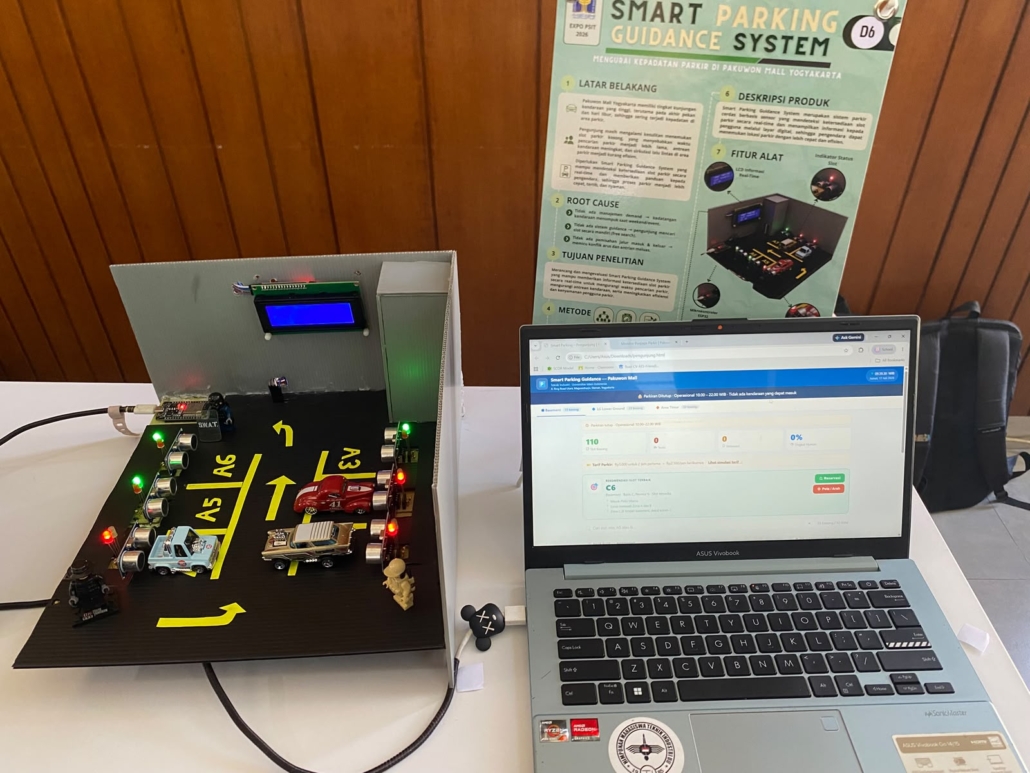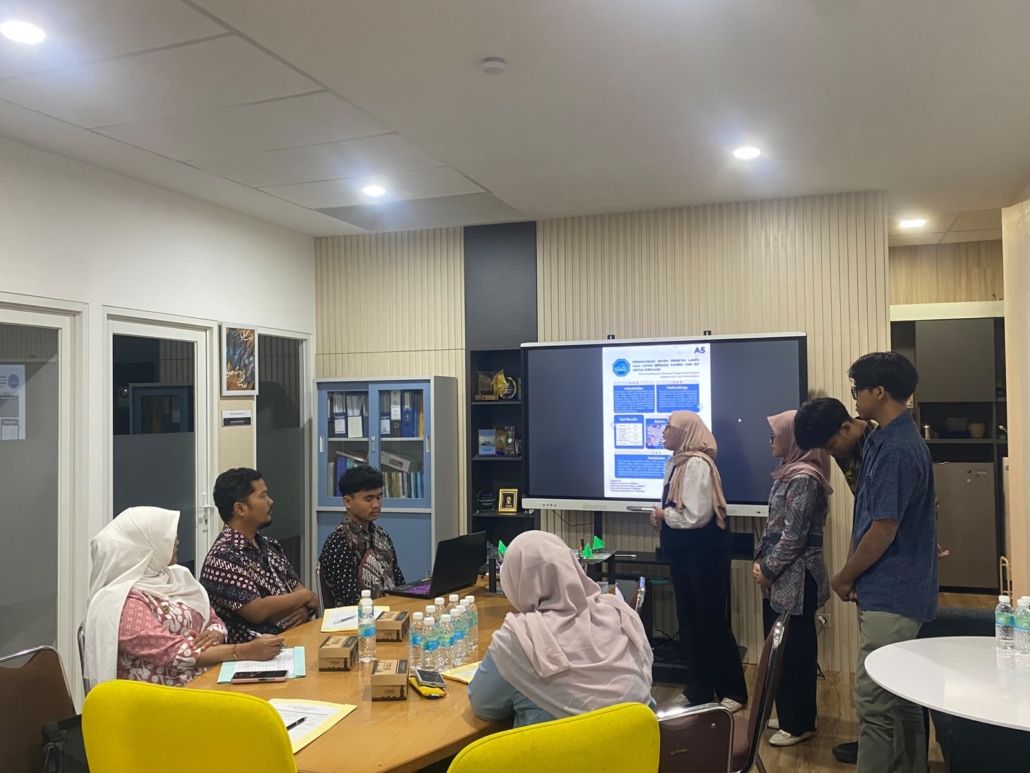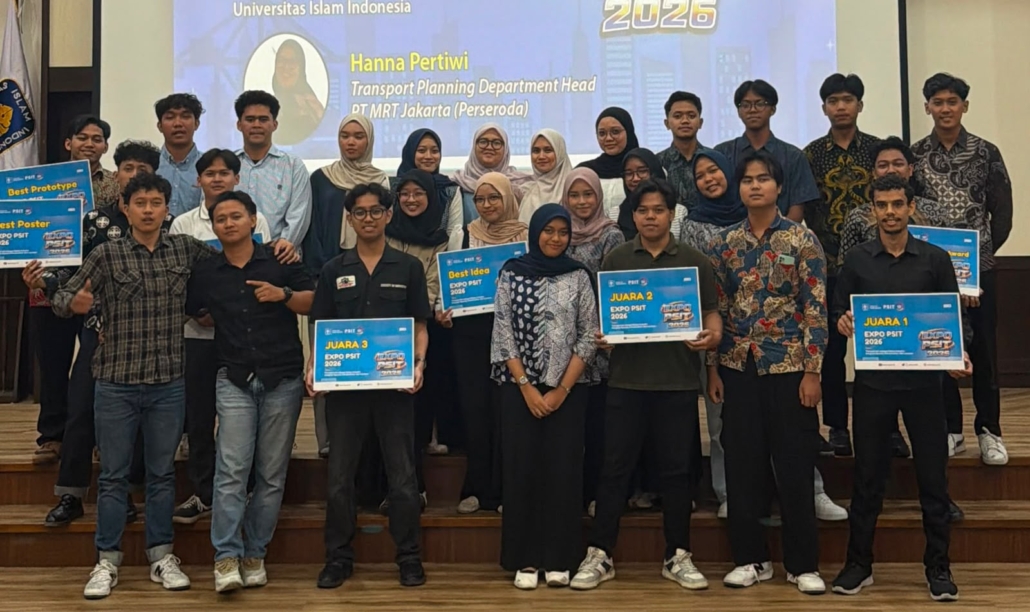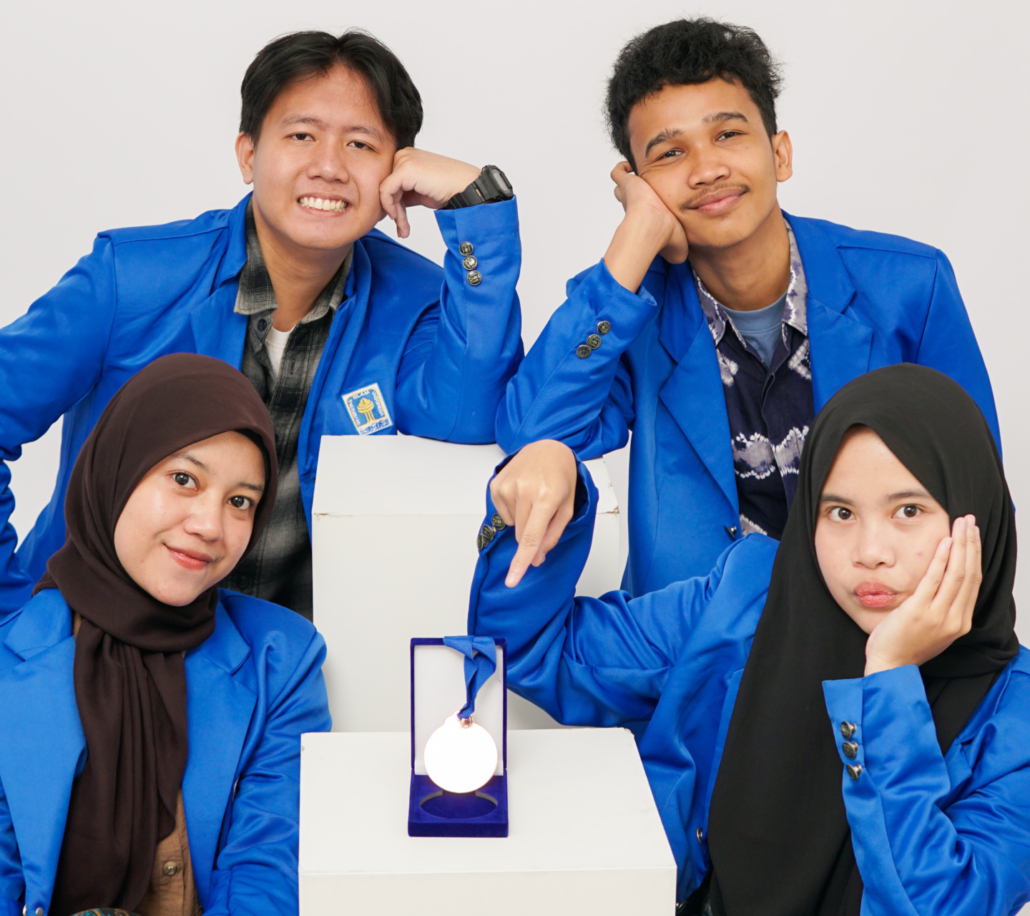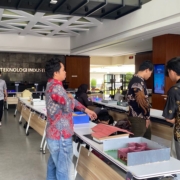
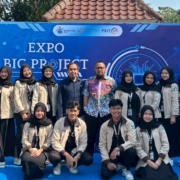
Yogyakarta, November 30, 2025 – Sang Adji Paco Labib, Afiana Saputri, and Pradita Nur Maulidina, Students of the Industrial Engineering Study Program, Faculty of Industrial Technology, Universitas Islam Indonesia participated in the Industrial National Competition (INCO) 2025, a national level competition. The event was organized by the Industrial Engineering Student Association of the Faculty of Industrial Technology, Universitas Muslim Indonesia (UMI), and was held from November 28 to 30, 2025. INCO 2025 involved students from various universities across Indonesia. The competition carried the theme “Sustainable Product Design Innovation for Human Well Being and Optimal Ergonomics.” Through this competition, students presented environmentally friendly and ergonomic product design ideas. The event aimed to encourage innovation that balances human needs, environmental sustainability, and economic value.

INCO 2025 Strengthens the Role of Students in Industrial Design Innovation

To support the objectives of the competition, the INCO 2025 organizing committee designed the competition stages in a structured and systematic manner. Participants began the competition by registering and submitting abstracts of their scientific work. After passing the abstract selection stage, participants proceeded to prepare and submit full papers, which included complete proposals, product designs, and posters. The committee then selected the finalists and conducted a technical meeting to prepare for the final stage. During the final round, finalists presented their product ideas directly in front of the judging panel. The evaluation process emphasized innovation, sustainability, and the alignment of the designs with ergonomic principles.

“Do not hesitate to try and participate in competitions, even if you feel that you are not fully prepared. The preparation process and the experience gained are far more valuable than the final result. With the willingness to learn, collaborate, and step out of your comfort zone, participating in competitions can become a very beneficial means of self-development,”Dita said.

During the competition period, participants organized their preparation through discussions, literature reviews, and structured task allocation. The team managed their time consistently to keep competition activities aligned with academic responsibilities, while open communication helped team members combine different ideas and viewpoints. Through this process, participants gained valuable experience in a national level competition. In addition to enhancing critical and creative thinking skills, participation in INCO 2025 also expanded professional networks and fostered motivation to continue innovating.

Kaila Bilbina M.S
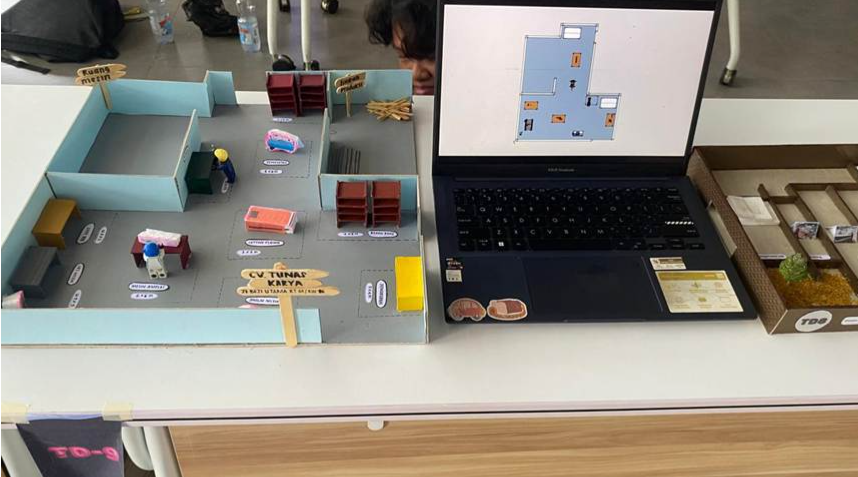
Yogyakarta, October 29, 2025 – Masayu Nafisa Sinanding Ndaru, together with Rajab Bullah Anggara Nasution, Natasya Dyah Anggraini, and Muhammad Faurel Keisya Zubair, students of the Industrial Engineering Study Program at Universitas Islam Indonesia, successfully participated offline in the National Seminar on Technology and Informatics (SNATIF) 2025. The event was organized by the Faculty of Engineering, Universitas Muria Kudus, and attended by students and academics from various universities across Indonesia. SNATIF 2025 served as a national academic forum for presenting and discussing scientific research in the fields of technology and informatics. In this seminar, Masayu’s research team presented a study titled “Analysis of the Effect of Customer Satisfaction and Trust on Customer Loyalty in a Local Indonesian Fried Chicken Restaurant.” The research applied linear regression analysis as its main method, and the team plans to publish the paper in a SINTA 4 indexed journal managed by Universitas Muria Kudus.

Preparation and Implementation Process at SNATIF 2025

Participation in SNATIF 2025 originated from an assignment in the Scientific Writing course, which was later developed into a journal manuscript. Under the supervision of Sayyidah Maulidatul Afraah, S.T., M.T. and Didin Novianto, S.T., M.LSCM., the team refined the manuscript to meet academic writing standards and reorganized it according to journal publication guidelines. The preparation stages included drafting the manuscript, designing presentation materials in the form of PowerPoint slides, and submitting the required documents to the organizing committee. The scientific presentation was conducted online on October 29, 2025. Overall, the entire process provided valuable academic experience and strengthened the team’s research and presentation skills.

Challenges, Collaboration, and Achievements

The main challenges faced by the team were time constraints and limited experience in academic journal writing. Differences in individual schedules slowed the writing process, so the team addressed these challenges by maximizing face to face meetings to support discussion and collaborative writing. Strong teamwork and effective communication played a crucial role in completing the manuscript on time. Through participation in SNATIF 2025, the team earned certificates of participation and gained the opportunity to publish their research in a nationally indexed SINTA 4 journal.

“Work on every assignment seriously, because great opportunities can start from there. Identify your academic interests and actively participate in activities that support them,” Masayu said.

Through SNATIF 2025, Industrial Engineering students from Universitas Islam Indonesia gained meaningful academic experience while demonstrating their commitment to producing scientific work capable of competing at the national level and contributing to the advancement of science and technology.

Kaila Bilbina M.S
(Yogyakarta) — ERP TALKS returned on Sunday (11/21) as an online event held via Zoom. This annual program is organized by the Enterprise Resource Planning (ERP) Laboratory of Industrial Engineering, Faculty of Industrial Technology, Universitas Islam Indonesia. The event featured a sharing session on ERP-related expertise, bringing alumni back to share their professional insights. Unlike previous years, ERP TALKS 2025 carried the theme “The Essential Role of HCM Consultants in Supporting Business Value Creation“.  This theme invited participants to take a closer look at the profession of ERP Consultants, particularly in the field of Human Capital Management (HCM). In line with this topic, Nur Abdillah Bagus Prakoso, an Industrial Engineering alumnus of UII, joined as the keynote speaker. He currently works as an Oracle HCM Functional Consultant at PT Tree Solutions.

The session opened with a brief overview of the speaker’s academic and professional journey. He shared his experience starting as an assistant at the ERP Laboratory before eventually becoming directly involved in HCM system implementations across various companies.

The Role of HCM Consultants in HCIS Implementation

As the discussion moved into the main session, Nur Abdillah Bagus explained the shifting trends in human resource management. He emphasized that organizations today no longer treat employees merely as operational costs. Instead, companies increasingly position human capital as a long-term strategic investment.

“Human capital has become a company’s primary asset in creating long-term business value. This is what underlines the importance of implementing a Human Capital Information System (HCIS),” he explained.

Furthermore, he highlighted how HCM integrates various business processes within an organization. Each integrated process generates analytical data that directly supports managerial decision-making. Toward the end of the session, he stressed that HCM Consultants play a role far beyond system configuration. Consultants translate business needs into HCIS features and provide improvement recommendations to ensure that ERP implementation delivers real added value.

“A consultant must understand business processes, analyze client needs, and communicate solutions effectively—not just master system features,” he added.

Interactive Discussion

The atmosphere became even more engaging during the Q&A session. Participants enthusiastically discussed careers as ERP Consultants and the practical application of HCIS. Questions ranged from indicators of successful HCIS implementation to essential skills needed to pursue a career in ERP.

Responding to these questions, Nur Abdillah Bagus shared his perspective: “Understanding business processes, strong analytical skills, and effective communication are far more important than simply memorizing system features.”

Overall, ERP TALKS 2025 provided not only technical insights but also a practical perspective how ERP technology especially in the HCM domain can directly contribute to business value creation.

Syawarani Gayatri

Kuntoro Bismo, alumni sekaligus pembicara pada kuliah praktisi

The Industrial Engineering Study Program, Faculty of Industrial Technology (FTI), Universitas Islam Indonesia (UII) once again held a Practitioner Lecture on Saturday (November 22). On this occasion, the lecture carried the theme “Project Risk Management.” Industrial Engineering students from UII actively participated in the event, which forms an integral part of the learning process. Moreover, the lecture was conducted online via the Zoom Meeting platform, allowing broader student engagement.

In this practitioner lecture, the Industrial Engineering Study Program at UII welcomed Bintoro Wisnuputro as the guest speaker. He is an alumnus of Industrial Engineering UII who currently works as a Project Management Specialist. Throughout his professional career, Bintoro has managed a wide range of projects across various industries. Through his presentation, he encouraged students to understand project risk management not only from a theoretical perspective, but also through practical experiences encountered directly in the field.

The Relationship Between Projects and Risk

Pembicara menjelaskan tentang Risk Management Process Flow Diagram

During his presentation, Bintoro explained that risk represents an inseparable element of any project. Therefore, every project requires careful and structured risk planning to ensure that project objectives can be achieved effectively and efficiently. In addition, he emphasized the importance of conducting early risk identification, followed by risk impact analysis, and ultimately selecting appropriate mitigation strategies.

“The key to project risk management is preparedness. Risks cannot always be avoided, but they can be managed effectively,” Bintoro stated.

Interactive Discussion Session

Pembelaharan seputar bagaimana menghandle resiko yang terjadi dalam suatu projek

In addition to the main presentation, the organizing committee designed the event to be interactive. Towards the end of the session, an active discussion and question-and-answer segment took place. During this session, participants raised various questions, ranging from the implementation of risk registers, the role of project managers in risk control, to the challenges of risk management in modern projects.

Furthermore, the Industrial Engineering Study Program at UII regularly organizes practitioner lectures as part of its learning enhancement efforts. Through this activity, students not only study theoretical concepts in the classroom, but also gain direct insights from industry professionals. As a result, students are expected to better understand the practical application of their academic knowledge, while simultaneously recognizing the real challenges of the professional world.

Syawarani Gayatri

Mahasiswa Industri Raih Juara 1 di LEVITASI FTI UII dengan inovasi Food Waste

Another proud achievement comes from the Industrial Engineering students of the Faculty of Industrial Technology, Universitas Islam Indonesia (UII). This time, a team of Industrial Engineering students successfully secured 1st place at LEVITASI FTI UII 2025 (Technology and Innovation Competition), which was organized by the Student Executive Board of FTI UII. Through this achievement, the students once again demonstrated their excellence in innovation and technology.

BIOPELTER: Biomass Pellet Converter

BIOPELTER: merupakan alat yang mampu mengubah food waste menjadi pelet dengan nilai jual tinggi

Under the sub-theme Circular Economy & Waste Management, the three-member team introduced an innovation called BIOPELTER: a machine designed to convert food waste into biomass pellets that can be used as animal feed.

The idea was driven by data showing that food waste dominates national waste generation. Seeing this, the team identified a major gap in the current organic waste management system that has yet to be properly addressed.

“So far, food waste is often just left unused or even burned. Through this innovation, we want to give food waste a second life by turning it into pellet material that can be sold by waste banks,” explained Arrouf, one of the team members.

According to the team, BIOPELTER was designed not only to improve food waste processing but also to create economic value for the community.

The Journey Behind BIOPELTER

Arrouf also shared the story behind the development process. He revealed that the competition journey was filled with technical challenges that pushed the team to constantly learn and adapt.

“We had to adjust and learn many technical aspects of the innovation we were building. But we managed to get through it all with consistency, perseverance, and strong teamwork,” said Arrouf.

The team applied the Agile Method approach throughout the project, which helped them continuously refine the product. During the process, they also received guidance from Dr. Dwi Adi Purnama, S.T., a lecturer in Industrial Engineering at UII, who served as their supervising mentor.

Hopes and Messages

Mahasiswa Industri Raih Juara 1 di LEVITASI FTI UII dengan inovasi Food Waste

For the team, this win is not the final destination, but a starting point for something bigger. The long journey taught them the importance of empathy, courage, and believing in their own ideas.

“At first, some people doubted this idea. But if we don’t believe in the product we’re developing, then who will?” Arrouf shared.

Closing their journey at LEVITASI FTI UII 2025, the team encouraged other students not to hesitate in joining competitions and creating innovations.

“Empathize deeply with the problem. Don’t let your solution become just a ‘mixed’ product without clear direction. Make sure it truly fits the problem and the target market. Do it with full dedication.”

This achievement proves that innovation built on empathy and courage can take UII Industrial Engineering students further. Not only in competitions, but also in addressing real issues faced by society.

Syawarani Gayatri

The Industrial Engineering Study Program, Faculty of Industrial Technology (FTI), Universitas Islam Indonesia (UII), served as the host of the 2025 BKSTI Accreditation Instrument & Curriculum Workshop. This annual flagship event is organized by the Central Board of the Indonesian Industrial Engineering Cooperation Agency (BKSTI). This year, the workshop was carried out in collaboration with BKSTI Regional Coordination of Yogyakarta (DIY), with UII’s Industrial Engineering Department entrusted as the host institution. The workshop took place on (01/11) at the Prof. Dr. M. Sardjito General Lecture Building (GKU) at UII. 

The event featured several prominent national scholars who delivered insights related to teaching and learning in the field of Industrial Engineering. Strong participant enthusiasm was evident through the presence of Industrial Engineering lecturers from various universities across Indonesia.

Industrial Engineering Accreditation Instrument Workshop

The workshop commenced in the GKU UII Theater Room and continued with the first session, presented by Prof. Dr. Ir. Hari Purnomo, Dean of FTI UII and member of the Executive Board of LAM Teknik. He delivered a session titled “Synchronizing Scientific Vision with Curriculum, Human Resources, and the Tri Dharma of Higher Education.” 

In his presentation, he emphasized the importance of aligning a study program’s scientific vision, faculty development strategies, and the quality of Tri Dharma implementation as the foundation for achieving an “Excellent” accreditation status. 

“Achieving an excellent accreditation rating is not merely a matter of documentation—it requires real alignment between scientific vision, curriculum, and consistent execution of the Tri Dharma,” he asserted.

Socialization of the 2025 BKSTI Core Curriculum Revision

The workshop continued with a session on the revised BKSTI Core Curriculum 2025, delivered by Dr. Andi Cakravastia Arisaputra Raja, S.T., M.T., Head of the BKSTI Curriculum Team. He outlined the new directions for universities in aligning learning outcomes, curriculum structure, and graduate competencies with the evolving needs of industry and advancements in the Industrial Engineering discipline. 

“We expect this curriculum structure to ensure that Industrial Engineering graduates remain relevant, adaptive, and ready to face future industrial challenges,” he explained.

Sharing Session: Capstone Design as a Final Project

Further enriching the curriculum discussion, Ir. Taufik, S.T., M.M., Ph.D., IPM, Head of the Industrial Engineering Program at BINUS University, delivered a session on integrating Capstone Design as a format for the Final Project. He shared implementation strategies, challenges encountered, and practical approaches for applying the capstone model in academic settings. He added that choosing this topic would comprehensively test students’ mastery of Industrial Engineering competencies. 

“When students choose Capstone Design as their Final Project, they are expected to demonstrate their competence through the entire process—from designing solutions to addressing real-world problems,” he noted.

Parallel Workshops on Course RPS & Assessment

In the afternoon, the program continued with the RPS & Assessment Workshop, focusing on developing Semester Learning Plans (RPS), defining learning outcomes (CPL), implementing active learning strategies, and designing competency-based assessments. The workshop was conducted in two parallel classes.

The first class, centered on Ergonomics, was delivered by Ir. Ardiayanto, S.T., M.Sc., Ph.D., AEP., IPM., Head of the Ergonomics Laboratory at UGM and Vice Chair of the Indonesian Ergonomics Association.

The second class discussed Quality Control, presented by Dr. Eng. Ir. Oke Oktavianti, Head of the Industrial Engineering Department at Universitas Brawijaya and Lead Auditor for ISO 9001:2015 and ISO 21001:2018.

UII Industrial Engineering Reinforces Commitment to Advancing the Field

The events concluded with an afternoon coffee break, marked by warm conversations among academics. Through its role as host, UII Industrial Engineering reaffirmed its commitment to strengthening the quality of higher education in the field of Industrial Engineering. The workshop is expected to serve as a collaborative forum for Industrial Engineering academics nationwide to collectively enhance the quality and standards of Industrial Engineering education in Indonesia.

Syawarani Gayatri

Sharing Session Alumni bidang PPIC

The Industrial Engineering Department, Faculty of Industrial Technology (FTI), Universitas Islam Indonesia (UII), once again organized an Alumnus Sharing Session on Sunday (08/10). With the theme Global Career Pathways for Industrial Engineers: How to Become a PPIC Specialist Abroad,” the event invited Muhammad Taufiq Sulistia, S.T., as the main speaker. Representing the Industrial Engineering Alumnus Association (IKATI), Taufiq currently serves as an Assistant Manager at Pinehill Arabia Food Ltd in Saudi Arabia. Students and Alumnus joined the event enthusiastically, eager to gain first-hand insights into career development in the field of Production Planning and Inventory Control (PPIC) on the international stage.

As the session moved into the discussion segment, Putri Dwi Annisa, S.T., M.Sc., a lecturer of Industrial Engineering at UII, guided the program as moderator. During this part, Taufiq shared the milestones of his career journey, explaining how he eventually secured the opportunity to work at a multinational company, particularly in the food industry. Furthermore, he emphasized that his work experience in Indonesia provided a strong foundation before advancing his career in Saudi Arabia.

“At first, I also started as an ordinary staff member in Indonesia. However, the experience I gained in production and planning eventually opened doors for me to step into the international arena,” Taufiq explained.

Q&A SESSION ON CAREER PATHS IN PPIC

Taufiq Sulistia, Alumni UII yang kini bekerja sebagai PPIC Specialist di Saudi Arabia

In addition to outlining his career journey, Taufiq also highlighted the challenges of working in a global environment. He elaborated on how he adapted to new workplace cultures and met international standards within production systems. Moreover, he shared daily experiences as a PPIC Specialist, including the tasks he handled and the responsibilities he carried.

Following the presentation, the Q&A session unfolded in a lively and interactive atmosphere. Participants eagerly posed questions, particularly about strategies and tips for building an international career similar to Taufiq’s. For instance, one attendee asked about the opportunities to pursue the same career pathway.

In response, Taufiq emphasized the importance of thorough preparation. He explained that this process should begin with identifying personal interests. After that, students need to understand the qualifications currently required by industries, particularly in the PPIC field.

As the event came to a close, Taufiq shared a closing message for Industrial Engineering students and alumnus at UII. He encouraged them to continuously improve their competencies, emphasizing the need to master language skills, sharpen analytical abilities, and deepen their understanding of ERP systems. In addition, he advised them to deepen their understanding of ERP systems, which play a key role in PPIC roles.

Through this sharing session, participants felt more motivated. They also felt better prepared to pursue global career opportunities in the field of industrial engineering.

Syawarani Gayatri

A team of three Industrial Engineering students from UII won the 2025 LNC.

Students from the Industrial Engineering Program, Faculty of Industrial Technology (FTI) at the Islamic University of Indonesia (UII), once again achieved remarkable success. A team consisting of Ahmad Arro’uf Sulfuadi, Rajab Bullah Anggara Nasution, and Muhammad Mahdy Fadhlullah secured second place in the Study Case category at the Logistic National Competition (LNC) 2025, held from June 26 to July 7, 2025. This prestigious competition, organized by the Logistics Engineering Program of Universitas Pendidikan Indonesia (UPI), focused on humanitarian logistics solutions, particularly the distribution of aid to disaster-affected areas.

Preparation and Challenges in Humanitarian Logistics

This achievement was the result of well-structured preparation, even though the team had limited time. According to team leader Ahmad Arro’uf, each member was assigned a clear role, allowing everyone to focus on their specific strengths. As a result, the team was able to design a solution that was not only relevant but also empathetic and realistic. Moving from planning to execution, they consistently emphasized collaboration as their key strategy.

“In developing our solution, we aimed to create an idea that was relevant, empathetic toward the organizers, and realistic in its implementation, while still offering a touch of novelty,” explained Arro’uf.

Nevertheless, despite thorough preparation, the team still encountered significant challenges. Their limited experience in disaster logistics and the unpredictable nature of emergency situations posed considerable obstacles. Consequently, support from UII Industrial Engineering lecturer Putri Dwi Annisa, S.T., M.Sc. proved to be essential. Moreover, her guidance helped the team gain valuable field insights, enabling them to design a more targeted solution and deliver their presentation smoothly. This shift from facing obstacles to receiving guidance ultimately became a turning point in their journey.

Reflections and Messages

For Arro’uf and his teammates, participating in LNC 2025 offered an invaluable opportunity to apply Industrial Engineering theories to real-world contexts. Through this transition from classroom knowledge to practical application, their perspectives broadened significantly.

“We learned a great deal about the differences between logistics management in the industrial world and humanitarian logistics. These differences expanded our understanding of how Industrial Engineering knowledge can be applied directly to society’s realities,” Arro’uf shared.

Furthermore, as he concluded his story, Arro’uf also offered advice to fellow students who aspire to join similar competitions. He emphasized the importance of empathy and the ability to view problems from multiple perspectives. By moving from lessons learned to practical advice, his message became both inspiring and actionable.

“A big idea without a realistic plan will remain just an idea. On the other hand, a simple idea with the right implementation can create a significant impact,” he said.

Concluding Remark

Ultimately, this success demonstrates that UII Industrial Engineering students are capable of transforming theory into real solutions. Moreover, they have proven their commitment to contributing meaningfully to humanitarian issues through the lens of Industrial Engineering. This transition from theory to practice highlights both their academic competence and their social responsibility.

Syawarani Gayatri

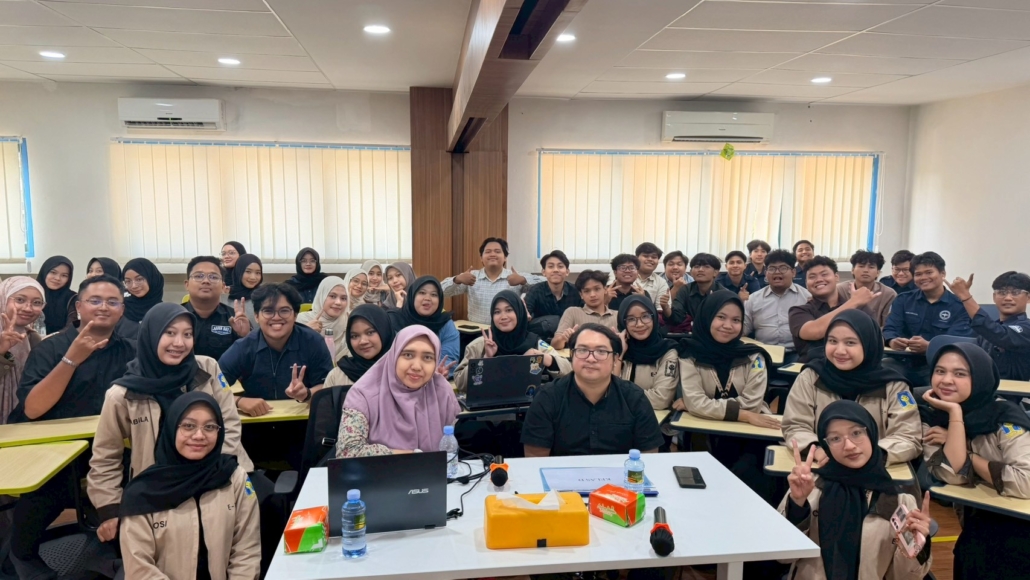
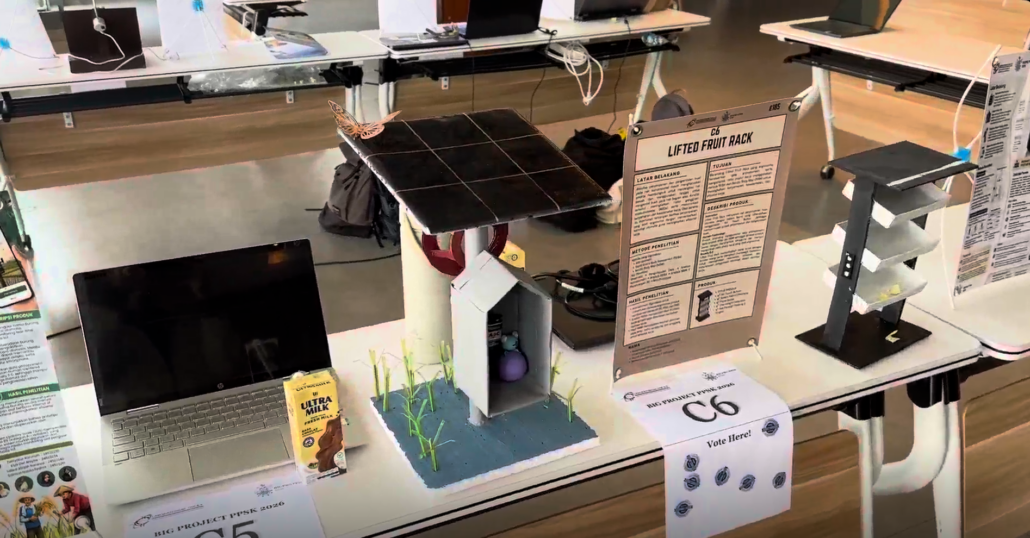
Sixty-two teams of Industrial Engineering students from the Faculty of Industrial Technology (FTI), Islamic University of Indonesia (UII) showcased their innovative product designs at the RSKE 2025 Big Project EXPO, held at the FTI UII Hall on Friday, July 25. With the theme “Innovation of Multifunctional and Sustainable Design for Easy Life and Eco Friendly,” the event marked the culmination of the Ergonomic Work System Design course. Moreover, it served not only as a final project presentation, but also as a platform for students to offer real solutions to real-world problems, using design principles rooted in ergonomics, sustainability, and multifunctionality.

To begin with, the event was officially opened by student hosts Ulvi Sakinah and Gerren Satrio Hariyudho, representing the Work System Design & Ergonomics Laboratory (DSK&E) as organizers. The opening featured a prayer and welcoming remarks from Prof. Dr. Ir. Hari Purnomo, M.T., IPU, ASEAN.Eng, Dean of FTI UII. In his speech, Prof. Hari encouraged students to see this EXPO as more than just a class requirement.

“This is a chance for students to grow beyond theory—to start becoming innovators who are aware of real-world issues and can deliver sustainable, tech-based solutions,” he said.

Student Innovation at RSKE EXPO

Moving on to the highlights, the main attraction of the EXPO was the student product showcase, where each prototype was assessed by a panel of judges. Among the standout projects was Group D12, winner of the Best Innovation 1 award.

Their creation: an ergonomic tractor powered by solar energy, designed to help improve farmers’ working posture and reduce the risk of injury. It incorporates eco-friendly materials and uses solar panels and lithium batteries as its energy source.

Interestingly, the idea stemmed from one team member’s observation of poor posture among farmers in their community. From that, the team set out to design something practical—and meaningful.

“We wanted to build something that’s not just useful, but also inspires Gen Z to reconnect with agriculture,” said Hammam Rizqullah Maulana, team representative.

Impressions and Appreciation 

In terms of responses, the EXPO drew visitors from both within and outside the Industrial Engineering department. One of them, Maisya Thara Lail, a Communication Science student, shared her thoughts:

“Honestly, I’m amazed. I don’t come from a technical background, but seeing how these students turned ideas into real prototypes is just impressive,” she said. She added that she hopes the event becomes an annual tradition.

Meanwhile, Felix Rasyada Rafif, the event coordinator, expressed his gratitude for the students’ hard work and the overall success of the EXPO.

“I’m incredibly proud of the 2023 class. Their ideas were creative, diverse, and full of innovation,” he said.

Felix also emphasized the importance of continuing the development of these projects, potentially entering them into wider competitions. Furthermore, he applauded the strong enthusiasm from both visitors and students, especially how actively participants explained their designs and engaged with the audience.

The Winner

In conclusion, the wide range of projects displayed at the EXPO reflected more than just technical skill. They showcased the students’ sense of social responsibility, their commitment to sustainability, and their ability to translate theory into real-world solutions.

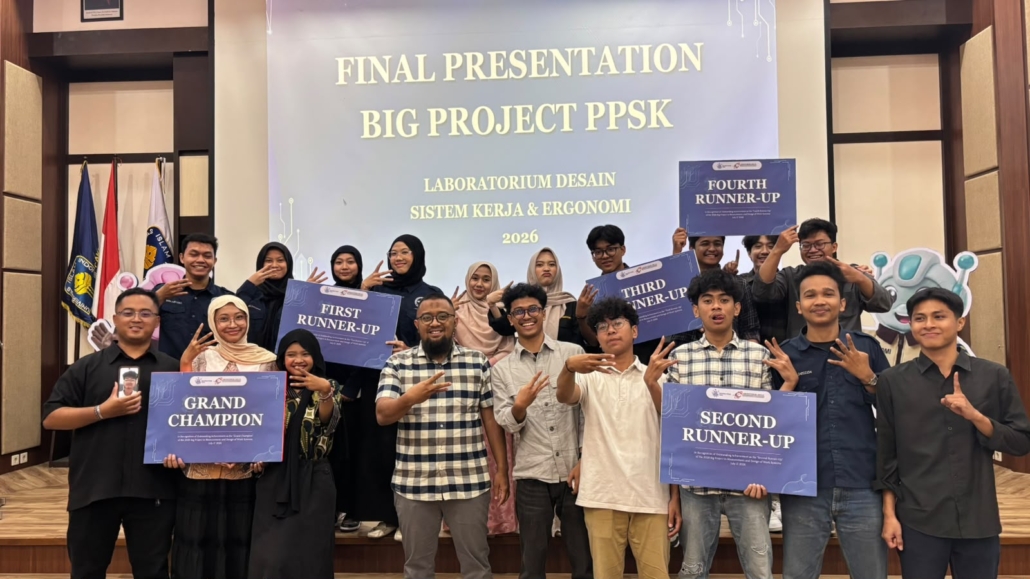
To recognize their outstanding work, the organizing committee awarded several teams for the most impressive and impactful designs. Specifically, the following teams were among those honored at this year’s EXPO:

AchievementKode KelompokNamaNIM
Best Innovation 1D12Scheva Ghifara Derossi23522214
Hammam Rizqullah Maulana23522236
Muhammad Zaki Hosam Daifullah23522153
R. Nabila Wirda Ayuningtyas23522150
Best Innovation 2D10Nasywa Ar Ridho23522300
Alan Bayu Kusuma23522266
Rahmalia Yunita23522105
Elviana Dewi Khusna23522092
Best Innovation 3B3Ferdian Anugrah Pratama23522251
Muhammad Afif Yusfian23522278
Ahmad Arro'uf Sulfuadi23522279
Gani Luthfi Marzuq23522301
Best Innovation 4E2Sang Adji Paco Labib23522168
Muetya Azzahra23522233
⁠Muhammad Wildan Itsna Asyifa23522209
Ersa Alviani23522221
Best ExpoA9Rofiq Burhan23522228
Muhammad Naufal Akbar23522229
Reza Anugrah Putra Ramadhan23522242
Best PresentationIP 1M Rifky Habibi Zulfy23522276
Badr Aldeen Al-khazan23522258
Jean De Dieu Habumuremyi23522259
Adiyasa Bagus Wicaksana23522053
Best PrototypeC10Ilham Nugraha Adi Susanto22522295
Aditya Zakki Nugroho22522315
Herdias Maulana22522339
Rian Adi Nugraha22522021

Syawarani Gayatri

The Practitioners’ Class once again became part of the academic agenda for Industrial Engineering students at the Faculty of Industrial Technology, Universitas Islam Indonesia (FTI UII). This time, students of the Logistics Management course had the opportunity to learn and engage in discussion directly with Dr. Zaroni, CISCP, CFMP, a Senior Consultant at Supply Chain Indonesia. The lecture, titled “Strategic Supply Chain & Logistics Response to Current Global Geopolitical Dynamics”, offered valuable insights into how global political conditions are impacting supply chains and logistics strategies across sectors.

During the session, Dr. Zaroni guided students to understand the critical role of logistics management as a core component of MSME business strategies. He also emphasized the importance of developing data-driven operational analysis rooted in local context and encouraged students to formulate strategic plans using a multidisciplinary approach—encompassing logistics, technology, human resources, and partnerships. This learning experience was further enriched through in-depth case discussions and practical insights drawn from real-world challenges in various sectors.

“Having Mr. Zaroni in person gave us an incredibly insightful overview of the logistics landscape across various sectors—from agriculture and halal logistics to humanitarian supply chains. The opportunity for open discussions and presentations really broadened our understanding of the course material and the many factors that influence,” said Rangga, one of the students attending the class.

Exploring Logistics Management Through Case Studies

More than just a lecture, Dr. Zaroni invited students to actively explore and analyze real-world case studies related to topic. The discussions covered a wide range of strategic aspects, beginning with logistics for MSMEs—focusing on the design of integrated logistics strategies to help small-scale businesses operate more efficiently and competitively.

The topic of rural logistics was also raised, highlighting the real challenges of ensuring food distribution equity in remote areas. Solutions discussed included community-based approaches and the use of simple technologies. These were tailored to the geographic and social contexts of rural populations.

In urban settings, the discussion focused on the complexity of last-mile delivery. This challenge demands tech-driven innovation, smart infrastructure development, and collaboration between public and private sectors. Halal logistics also emerged as a key topic. It addresses the need for Sharia-compliant supply chains in the midst of global competition. This requires clear regulations, proper certification, and value-based differentiation strategies.

Lastly, students explored disaster logistics management. This essential field requires adaptive strategies to respond effectively during emergencies and situations with limited resources. The goal is to ensure that humanitarian aid is delivered swiftly, accurately, and in a well-coordinated manner. The results of these case studies were then presented in class, followed by group discussions focusing on each topic area.

From Theory to Real-World Insight

The inclusion of practitioner classes is designed to ensure students not only understand theoretical concepts but also gain practical insights. More than that, the discussions foster critical thinking skills among Industrial Engineering students at UII. With these skills, students are expected to make strategic decisions and become adaptive problem solvers in real-world scenarios.

Syawarani Gayatri