The Industrial Engineering Study Program, Faculty of Industrial Technology (FTI), Islamic University of Indonesia (UII) held a practitioner lecture for the Facility Design course. The event raised the topic of “Kaizen and Layout Optimization: Practical Industrial Engineering Approach” and took place offline on Saturday (12/20). This practitioner lecture was held in two sessions, from 9:00 a.m. to 12:00 p.m. and from 1:00 p.m. to 4:00 p.m. at the FTI Auditorium on the 3rd floor. The lecture aimed to provide participants with an understanding of best practices in the application of Kaizen and layout optimization.

Rahmalia Yunita, as the Master of Ceremony, opened the event on time for both sessions. Rahmalia then continued the event by introducing the speaker for the practitioner lecture, Ori Rabowo. He is the Senior Operational Excellence Manager at Kimberly-Clark and has in-depth knowledge of Kaizen and Layout Optimization.

Local Improvements Affecting System Complexity

Ori opened the presentation session by emphasizing that improvements in the world of Industrial Engineering cannot be made partially or focused on a single process. In the context of Kaizen and layout optimization, he explained that every improvement decision must be viewed holistically. This is because industrial systems are interconnected between processes, capacity, layout, and demand. Local improvements that are not supported by end-to-end analysis have the potential to create new problems in the system.

Ori also cited a case study of reducing the number of machines as a form of operational efficiency. Locally, this decision was considered appropriate because it increased machine utilization and reduced costs. However, there was a side effect of pressure on human resources. This was because the data had not been standardized and the demand analysis had not been carried out thoroughly.

“This means that three machines will be discarded or sold. It turns out that the data mining is not yet standardized. This month, demand has increased, but the number of machines has been reduced and the number of employees has also been cut. This has led to an overwhelming workload. The result? We actually need additional overtime,” he explained.

This example shows that process optimization focused solely on local efficiency can pose risks in other areas, such as increased workloads and overtime. Ori emphasized that Kaizen and Layout Optimization are not just about making improvements, but ensuring that those improvements align with the overall process flow, supply chain, and system requirements.

Case Study Discussion
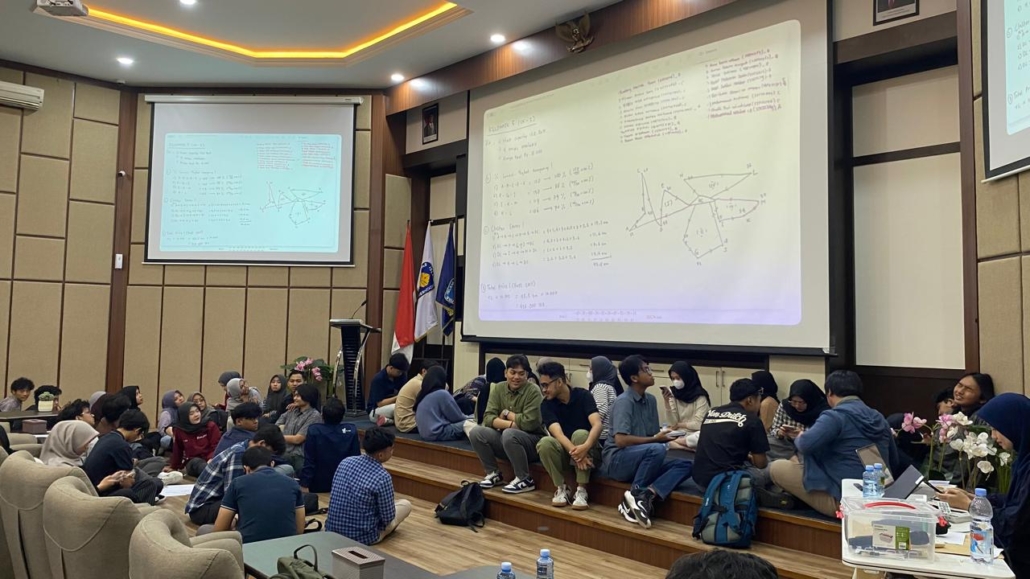
After the presentation, participants were divided into large groups to solve two case studies. The first case study discussed the optimization of the Global Print Solution Indonesia factory layout. Participants analyzed the Operation Process Chart (OPC) and redesigned the production layout using the Activity Relationship Chart (ARC). The second case study focused on the optimization of PT. Cetak Kreatif’s distribution. Participants calculated the occupancy rate, clustering stores, and transportation costs with a specific truck capacity. Each group member worked together to identify problems and find solutions according to their techniques.

After all groups finished, each group presented their results and solutions. These presentations included various perspectives because each group had a different approach. This allowed participants to learn from various optimization methods. This session enriched participants’ understanding of the real-world application of Kaizen and layout optimization in industry.

Thus, this practitioner lecture provides unique knowledge for UII Industrial Engineering students. Participants not only understand the theory but also integrate and apply it to industrial cases. The practitioner lecture event concluded with a group photo session with the speakers and all participants, with the hope that the knowledge gained can be applied in their academic or professional careers.

Nisrina Nur Masrefa 
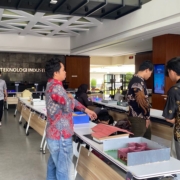
The Manufacturing Systems Laboratory (SIMAN), Industrial Engineering Study Program, Faculty of Industrial Technology (FTI), Islamic University of Indonesia (UII), held the 2025 Facility Design Big Project EXPO on Thursday (18/12). This event was the culmination of a series of practical sessions for the Facility Design (PF) course. A total of 63 teams of Industrial Engineering students from FTI UII showcased their best proposals at this event. The participants presented various innovative and applicable factory and MSME layout designs. They integrated facility design theory with real world industrial conditions. These proposals resulted in efficient and optimal solutions to increase productivity.

Academic Innovation

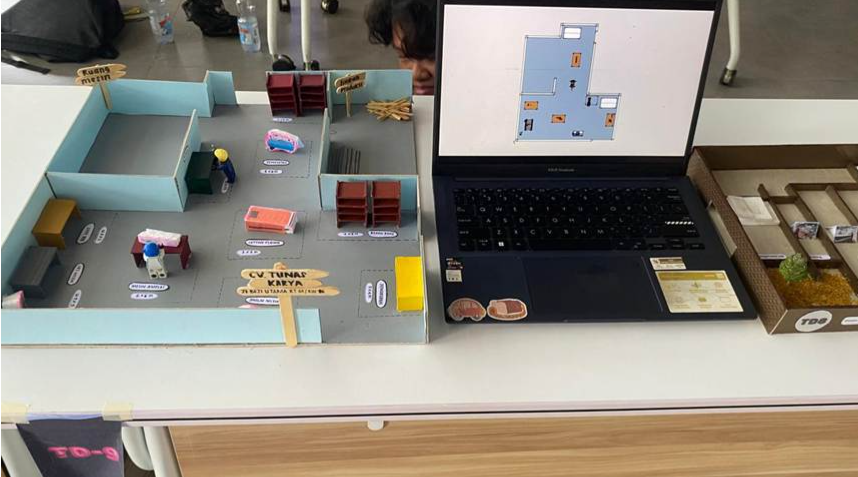
The event featured an exhibition and assessment of student innovations in the form of prototype layouts, which were evaluated directly by SIMAN Laboratory assistants. One of the most interesting works was that of the TD-9 group. This team redesigned the factory layout for the ginger extractor production process to make it more efficient and structured. The layout was changed because the initial layout was deemed suboptimal. This resulted in longer distances, increased time, and higher material handling costs.

This innovation was based on in-depth research and observation of the actual conditions at the factory. The TD-9 team mentioned that limited space, varying component sizes, and the number of work stations were the main challenges in designing an efficient layout.

“We want to improve the production flow of the ginger extractor machine to make it more organized and linear. The main focus is to reduce material transfer distances, reduce material handling costs, and optimize the proximity between work stations,” explained Helda Noor Prameswari, as the team representative.

The proposed layout is capable of creating a neater production flow and significantly reducing material handling costs. Layout evaluation process is also supported by software, making the results more measurable and objective. Helda’s team hopes that this proposed layout can serve as a reference for factories in organizing their production areas in a neater, more efficient, and safer manner. Layout can be implemented gradually according to the conditions of the factory without requiring major changes to existing facilities.

Words from the Organizing Committee

From the committee’s side, Dinda Meilia Rhepon, SIMAN Laboratory assistant and PIC for this activity, expressed her enthusiasm for the participants. Dinda also shared her impressions of preparing for the EXPO. She particularly enjoyed the process of finalizing the details of the expo. There are from selecting vendors, choosing backdrop and gate designs, to coordinating with fellow SIMAN lab assistants.

“Although the SIMAN Laboratory has frequently held the Gamtek EXPO every year, the Facility Design EXPO is something new for the SIMAN Laboratory assistants, so it actually presents its own challenges,” she said.

Dinda expressed her high hopes that this EXPO would have a long-term impact on the participants. She hopes that the participants can apply the knowledge gained during the practicum and EXPO, both during their work practicum and when they enter the workforce. She also hopes that the EXPO can run smoothly next year.

“Hopefully, next year’s EXPO will be even more lively and inspiring for the assistants and participants in the future!” she said.

Visitor Experiences and Messages

The 2025 Facility Design Expo received positive feedback from visitors. One of the visitors was Nilam Atika Sari, a student at the Faculty of Industrial Technology. She expressed her excitement, saying she felt motivated by the enthusiasm and ambition of the EXPO participants, which was evident in the attractive models they had created.

Nilam also emphasized that this EXPO event serves as a learning platform for visualizing and presenting analyses, calculations, and recommendations to others. She also views this event as an opportunity to practice pitching or convincing clients in the future. In closing, she hopes that future EXPO events will be even more lively.

“Hopefully, it will be even more lively, not just from FTI students but even beyond,” she said.

Thus, the 2025 Facility Design EXPO is a testament to the ability of FTI UII Industrial Engineering students to apply layout theory in the real world. Various layout designs demonstrate their ability to analyze, their creativity, and their readiness to present innovative and applicable facility design solutions for development in the industrial sector.

Nisrina Nur Masrefa
For the academic community of Industrial Engineering at Universitas Islam Indonesia, Pancasila is far from a mere theory remembered only during its birth anniversary on June 1st. Instead, this historic moment reminds students to consistently implement Pancasila values in their daily activities. UII has a strong connection to the nation’s foundation. The university’s founding fathers helped formulate Pancasila.

At the Sleman Integrated Campus, the university integrates Islamic and Indonesian values throughout the learning process. Consequently, the campus community preserves this historical momentum not as a repetitive annual routine. Furthermore, Pancasila stands as a moral compass for Industrial Engineering students and the wider Faculty of Industrial Technology (FTI) family in navigating global challenges. In today’s digital era, managing information on social media has become a major challenge. Therefore, digital communication ethics are increasingly important.

Pancasila Values Among Industrial Engineering Students at UII

Students apply Pancasila values through ethical digital communication in cyberspace. Industrial Engineering students understand system design and data governance. As a result, they verify information before sharing news.

Moreover, the Ulil Albab character encourages students to express opinions politely, rationally, and based on facts. They use this filtering process to reduce hate speech, hoaxes, and digital provocations. Consequently, they help prevent social conflicts. This commitment to Pancasila helps curb misinformation. In addition, it also supports social stability and national unity.

How Industrial Engineering Students at UII Promote Unity Through Diversity

Meanwhile, students apply Pancasila values through collaboration and teamwork. This is evident within the learning ecosystem and daily social interactions on campus. Domestic migrant students from various corners of the archipelago and international students blend together seamlessly. They gather without regard for differences in ethnicity, race, or cultural background.

Jihan, an Industrial Engineering student from Riau, shared her perspective on the social dynamics on campus.

“As a student from outside the region, I feel well received in the campus environment. Students do not let regional differences hinder friendship or collaboration, allowing me to adapt comfortably and grow alongside my peers,” she said.

Echoing this sentiment, Yaser, an international student from Yemen in the International Program (IP) of Industrial Engineering at UII, also experienced this inclusive atmosphere firsthand. Both lecturers and fellow students treat him equally without discrimination within the campus environment as a reflection of Pancasila’s tolerance.

“Although I sometimes still find social situations a bit challenging due to language barriers, overall, I really enjoy my learning experience here because everyone is very open and supportive,” Yaser expressed.

Through this mutually supportive campus atmosphere, the faculty has successfully created a comfortable learning environment for everyone. Differences in regional and national origins actually make friendships within FTI UII even more harmonious.

Kaila Bilbina M.S

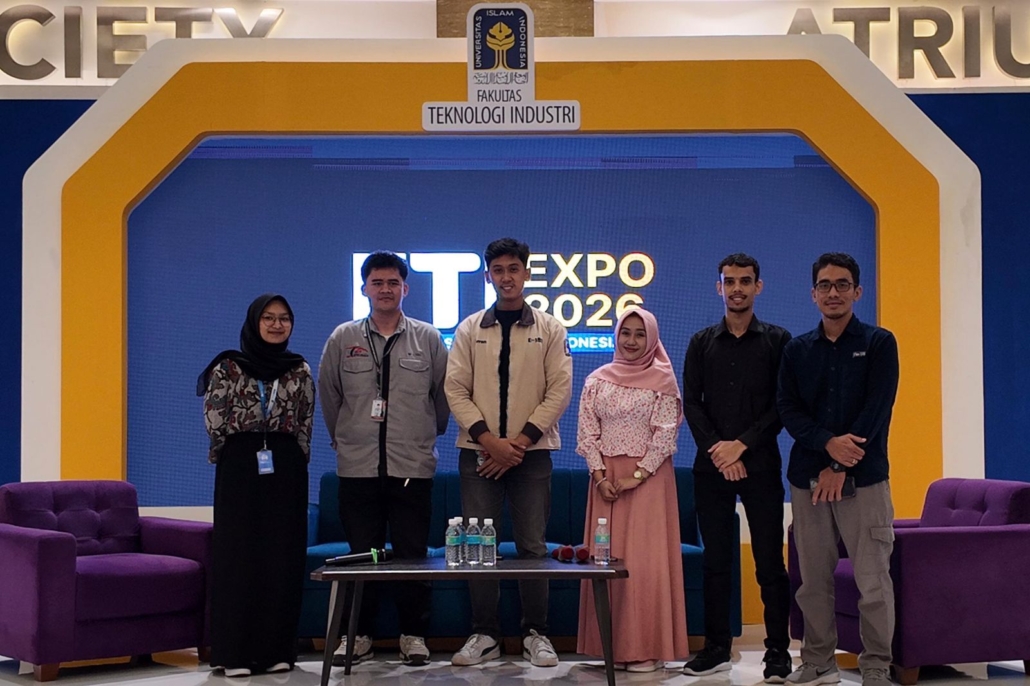
Yogyakarta, April 6-12, 2026 – The Department of Industrial Engineering, Faculty of Industrial Technology, Universitas Islam Indonesia (UII) successfully held the EXPO FTI 2026. Located at Pakuwon Mall Yogyakarta, this week-long event served as a major academic promotion platform for the general public. Various study programs participated in the exhibition, with Industrial Engineering EXPO FTI contributors actively introducing their academic curriculum and practical learning methods. The event successfully engaged students, youths, and general visitors through an interactive concept. Ultimately, this exhibition aimed to provide a comprehensive understanding of the major while attracting prospective students through an applicable approach.

Engaging Visitors Through the Industrial Engineering EXPO FTI Booth

At the booth area, students took an active role in sharing information with visitors. They shared deep insights regarding academic disciplines, campus facilities, and future career prospects. Visitors also explored various informative media and interacted directly with current students to understand real-world applications. This direct interaction effectively helped visitors realize that the Industrial Engineering EXPO FTI presentation covers a broad spectrum and remains highly relevant to modern industrial needs.

Insightful Academic Talk Shows by Industrial Engineering UII

As part of the talk show series, UII presented student representatives from various backgrounds, including laboratory assistants and International Program students. They introduced academic activities, laboratory practicums, and various programs designed to support student competence development. In addition to sharing their student experiences, the laboratory assistants actively introduced scientific concepts and the practical benefits of their facilities.

Gerren Satrio Hariyudho explained the Design of Work Systems and Ergonomics (DSKE) Laboratory. He covered everything from practicum activities and facilities to the application of ergonomics in the workplace. Furthermore, he demonstrated the use of a handgrip dynamometer, which serves as an instrument to analyze human physical capabilities.

“Through the introduction of the DSKE Laboratory and ergonomics, we want to show that Industrial Engineering is not just theoretical. It is highly applicable and relevant to workforce needs,” Gerren stated.

He also added that the role of lab assistants is a key advantage in supporting student competency.

On the other hand, Bimi Wirabumi explained the crucial role of the Manufacturing Systems Laboratory in supporting practical learning for students. He emphasized that the available facilities provide real-world experience for students to grasp production processes and industrial systems.

“Our main goal at this EXPO is to introduce Industrial Engineering UII to the wider community, especially through our complete laboratory facilities that fully support hands-on learning,” Bimi explained.

Overall, the Industrial Engineering EXPO FTI activities proved to be an effective medium to showcase academic excellence. At the same time, it successfully boosted prospective students’ interest in joining the university.

Kaila Bilbina M.S

Peserta berfoto bersama dalam rangkaian mata acara Jejak TI

The Industrial Engineering Study Program, Faculty of Industrial Technology (FTI), Islamic University of Indonesia (UII) is once again holding its annual Industrial Engineering Creativity and Gathering Event (AKSI TI) 2025. The event will take place over three days, on December 14, 2025, and December 20–21, 2025, at the FTI UII Auditorium and Girikaton Campground.

AKSI TI 2025 carries the theme “Sailing in Harmony Towards the Port of Mahardika” as a symbol of togetherness in welcoming new students. This year, AKSI TI presents a different atmosphere with the participation of new students from the Engineering Management Study Program, which was officially opened in the 2025/2026 academic year and is still under the same department as Industrial Engineering.

Over 100 new students from both programs participated in the event. Through AKSI TI 2025, the organizing committee aimed to introduce the department environment and foster solidarity and a sense of community from the very start of the academic year.

Udaya Day

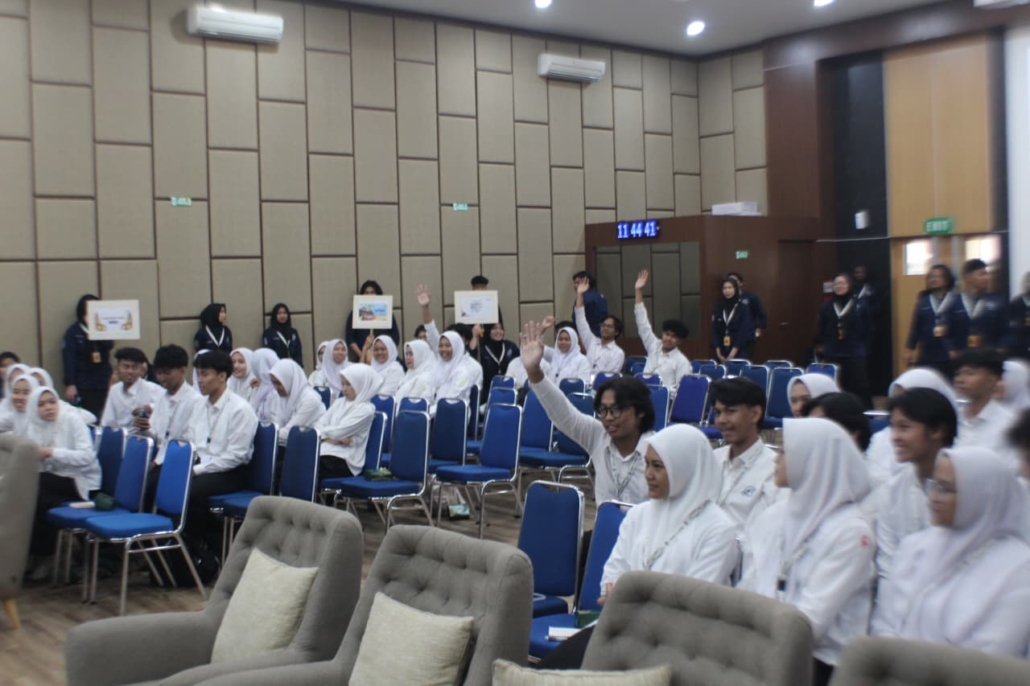
Peserta sedang mengajukan pertanyaan

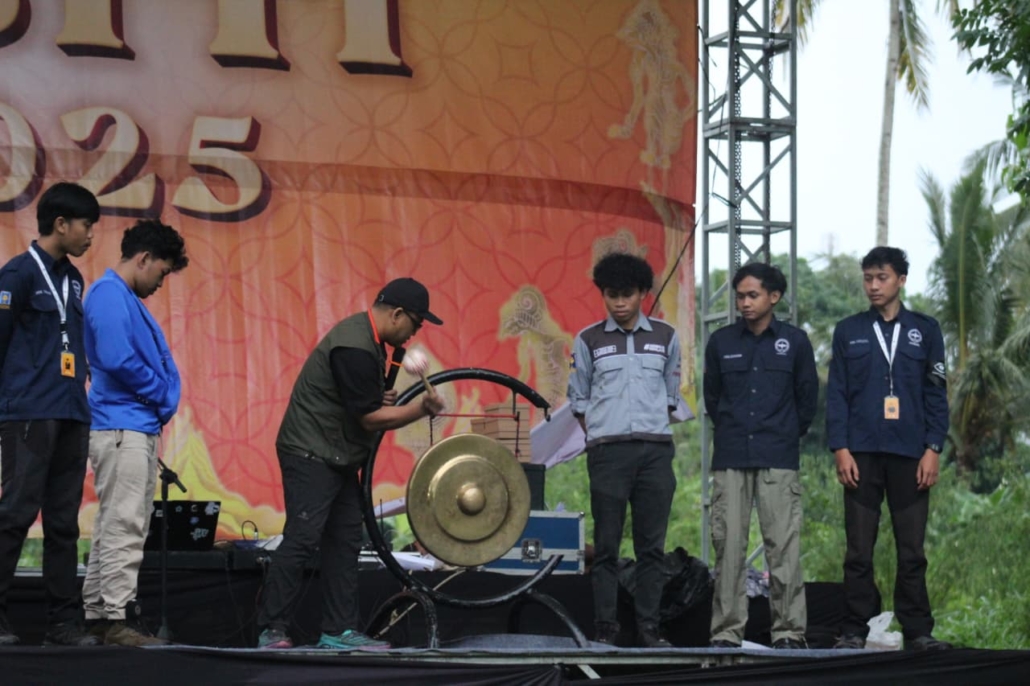
The FTI UII Auditorium was the venue for the first day of AKSI TI 2025. The Opening Ceremony kicked off the series of activities with remarks from Bama as Chair of the AKSI TI 2025 Organizing Committee, Muhammad Arief Dzikri as Chair of the AKSI TI 2025 Steering Committee, Bayu Maulana as Chair of HMTI LEM FTI UII 2025/2026, Ir. Muhammad Ridwan Andi Purnomo, Ph.D., IPM., as Head of the Industrial Engineering Study Program, and Elanjati Worldailmi, S.T., M.Sc. as Head of the Engineering Management Study Program. The event was officially opened with the striking of a gong.

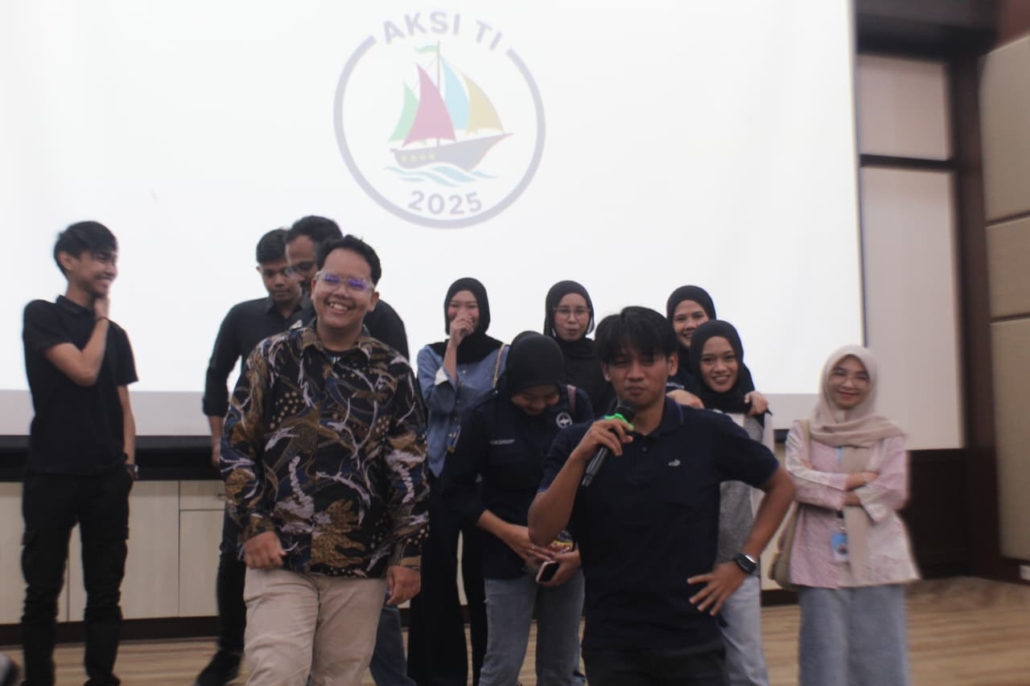
Kakak tingkat membagikan pengalamannya selama kuliah

On the first day, the committee also introduced the Industrial Engineering Student Association (HMTI LEM FTI UII) as a student organization. In addition, participants attended a seminar with Industrial Engineering alumnus Vicky Caneca, S.T., MBA, as Chief Executive Officer (CEO) of MyMedica.id. The series of activities was complemented by a session sharing experiences from seniors and alumni, as well as an introduction to the laboratory through the Lab Show event.

Madhya Day

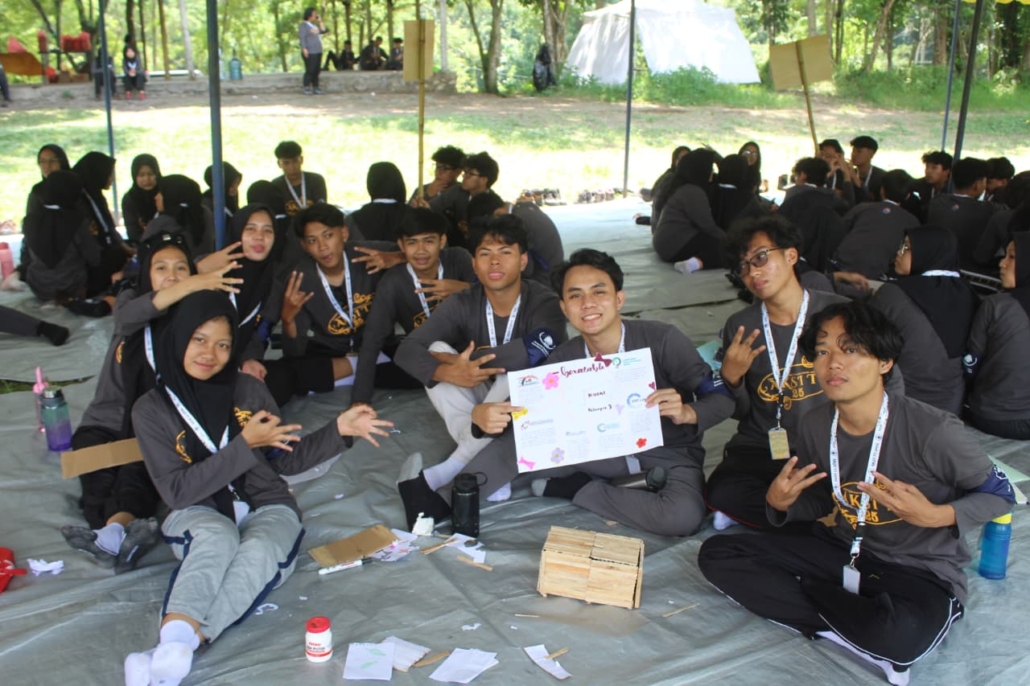
Peserta ospek menunjukkan hasil prototypenya

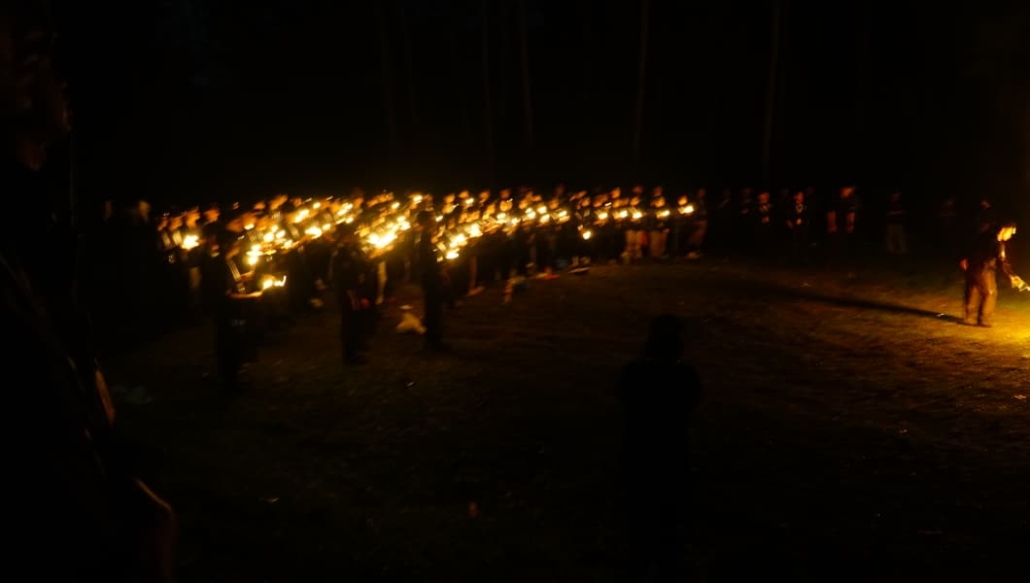
The second day of AKSI TI 2025 took place at the Girikaton Campground for two days and one night. Participants took part in a fun camp with various activities that encouraged creativity and togetherness. One of the main agendas was to assign each group to design an innovation prototype, while representatives from each laboratory assessed the results on the last day.

Peserta berkumpul mengucapkan sumpah mahasiswa

A solemn atmosphere was present during the Inauguration event, when new students took the student oath together. The Chair of HMTI LEM FTI UII led the oath and presented HMTI uniforms as a symbol of welcoming new students into the HMTI LEM FTI UII family. The second day’s activities ended with a Rhythm Stage performance by Imunity Band.

Wasana Day

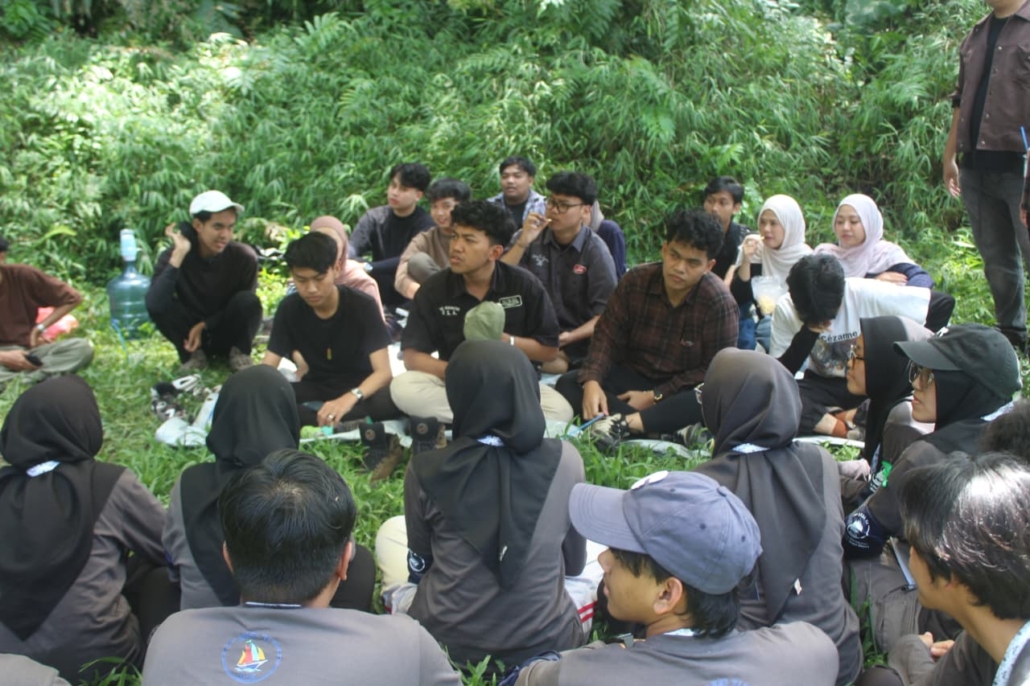
Peserta duduk di pemberhentian pos dalam mata acara Jejak TI

On the last day, participants will explore obstacles to reach seven available posts. The event Ngolah Otot Santai (Ngosan) or group exercise will start the day with a fun exploration to train teamwork among group members. Before going down to explore the Jelajah Asik Teknik Industri (Jejak TI) event, participants will have breakfast together first.

Pemukulan gong penutup acara AKSI TI 2025

The Closing Ceremony concludes the AKSI TI 2025 event, with the Chair of the OC, SC, HMTI, LEM, DPM, and Activity Coordinator Dian Janari, S.T., M.T., delivering their messages and hopes. As a symbolic gesture, a gong is struck to mark the end of AKSI TI 2025. The event concluded with the screening of an After Movie summarizing all the moments from Udaya Day, Madhya Day, to Wasana Day.

To conclude the AKSI TI 2025 series, the Chair of the AKSI TI 2025 Steering Committee, Muhammad Arief Dzikri, shared his impressions and messages regarding the implementation of this event. He considered AKSI TI 2025 to be a memorable and meaningful experience, not only as a department orientation activity, but also as a forum for instilling the values of togetherness and kinship.

“AKSI TI 2025 has been a very memorable experience for me. This event was not just an orientation for the department, but also instilled many values in each series of events. Alhamdulillah, all activities were well organized, ran smoothly, and were able to build a sense of solidarity and kinship between new students and the committee,” said Arief.

He hopes that AKSI TI can continue to grow and present fresher concepts in the coming years.

“Hopefully, AKSI TI in the future can be organized better, more innovatively, and creatively, and remain a memorable story in the future. Because Great Stories Are Made by Us,” he concluded.

Rani Novalentina

Yogyakarta, November 30, 2025 – Sang Adji Paco Labib, Afiana Saputri, and Pradita Nur Maulidina, Students of the Industrial Engineering Study Program, Faculty of Industrial Technology, Universitas Islam Indonesia participated in the Industrial National Competition (INCO) 2025, a national level competition. The event was organized by the Industrial Engineering Student Association of the Faculty of Industrial Technology, Universitas Muslim Indonesia (UMI), and was held from November 28 to 30, 2025. INCO 2025 involved students from various universities across Indonesia. The competition carried the theme “Sustainable Product Design Innovation for Human Well Being and Optimal Ergonomics.” Through this competition, students presented environmentally friendly and ergonomic product design ideas. The event aimed to encourage innovation that balances human needs, environmental sustainability, and economic value.

INCO 2025 Strengthens the Role of Students in Industrial Design Innovation

To support the objectives of the competition, the INCO 2025 organizing committee designed the competition stages in a structured and systematic manner. Participants began the competition by registering and submitting abstracts of their scientific work. After passing the abstract selection stage, participants proceeded to prepare and submit full papers, which included complete proposals, product designs, and posters. The committee then selected the finalists and conducted a technical meeting to prepare for the final stage. During the final round, finalists presented their product ideas directly in front of the judging panel. The evaluation process emphasized innovation, sustainability, and the alignment of the designs with ergonomic principles.

“Do not hesitate to try and participate in competitions, even if you feel that you are not fully prepared. The preparation process and the experience gained are far more valuable than the final result. With the willingness to learn, collaborate, and step out of your comfort zone, participating in competitions can become a very beneficial means of self-development,”Dita said.

During the competition period, participants organized their preparation through discussions, literature reviews, and structured task allocation. The team managed their time consistently to keep competition activities aligned with academic responsibilities, while open communication helped team members combine different ideas and viewpoints. Through this process, participants gained valuable experience in a national level competition. In addition to enhancing critical and creative thinking skills, participation in INCO 2025 also expanded professional networks and fostered motivation to continue innovating.

Kaila Bilbina M.S

Yogyakarta, October 29, 2025 – Masayu Nafisa Sinanding Ndaru, together with Rajab Bullah Anggara Nasution, Natasya Dyah Anggraini, and Muhammad Faurel Keisya Zubair, students of the Industrial Engineering Study Program at Universitas Islam Indonesia, successfully participated offline in the National Seminar on Technology and Informatics (SNATIF) 2025. The event was organized by the Faculty of Engineering, Universitas Muria Kudus, and attended by students and academics from various universities across Indonesia. SNATIF 2025 served as a national academic forum for presenting and discussing scientific research in the fields of technology and informatics. In this seminar, Masayu’s research team presented a study titled “Analysis of the Effect of Customer Satisfaction and Trust on Customer Loyalty in a Local Indonesian Fried Chicken Restaurant.” The research applied linear regression analysis as its main method, and successfully published in the SITECH Journal: Information Systems and Technology (Universitas Muria Kudus), indexed in SINTA 4. The article is available online at https://jurnal.umk.ac.id/index.php/sitech/article/view/16046

Preparation and Implementation Process at SNATIF 2025

Participation in SNATIF 2025 originated from an assignment in the Scientific Writing course, which was later developed into a journal manuscript. Under the supervision of Sayyidah Maulidatul Afraah, S.T., M.T. and Didin Novianto, S.T., M.LSCM., the team refined the manuscript to meet academic writing standards and reorganized it according to journal publication guidelines. The preparation stages included drafting the manuscript, designing presentation materials in the form of PowerPoint slides, and submitting the required documents to the organizing committee. The scientific presentation was conducted online on October 29, 2025. Overall, the entire process provided valuable academic experience and strengthened the team’s research and presentation skills.

Challenges, Collaboration, and Achievements

The main challenges faced by the team were time constraints and limited experience in academic journal writing. Differences in individual schedules slowed the writing process, so the team addressed these challenges by maximizing face to face meetings to support discussion and collaborative writing. Strong teamwork and effective communication played a crucial role in completing the manuscript on time. Through participation in SNATIF 2025, the team earned certificates of participation and gained the opportunity to publish their research in a nationally indexed SINTA 4 journal.

“Work on every assignment seriously, because great opportunities can start from there. Identify your academic interests and actively participate in activities that support them,” Masayu said.

Through SNATIF 2025, Industrial Engineering students from Universitas Islam Indonesia gained meaningful academic experience while demonstrating their commitment to producing scientific work capable of competing at the national level and contributing to the advancement of science and technology.

Kaila Bilbina M.S

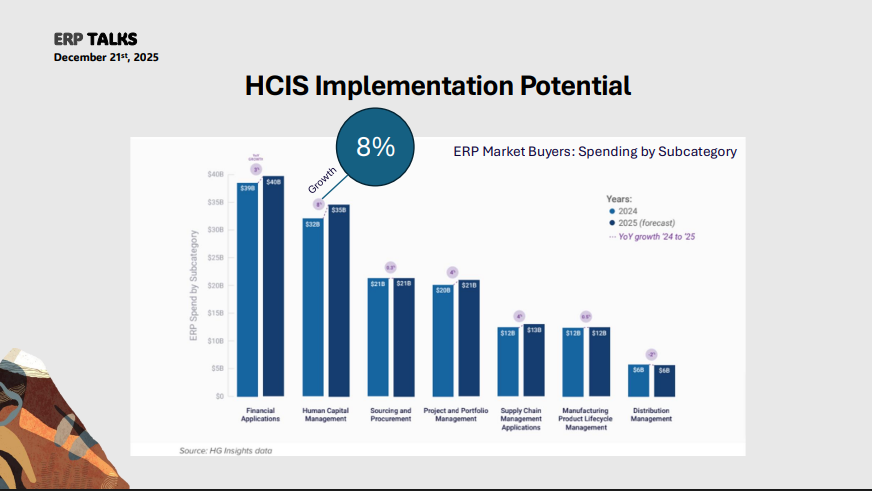
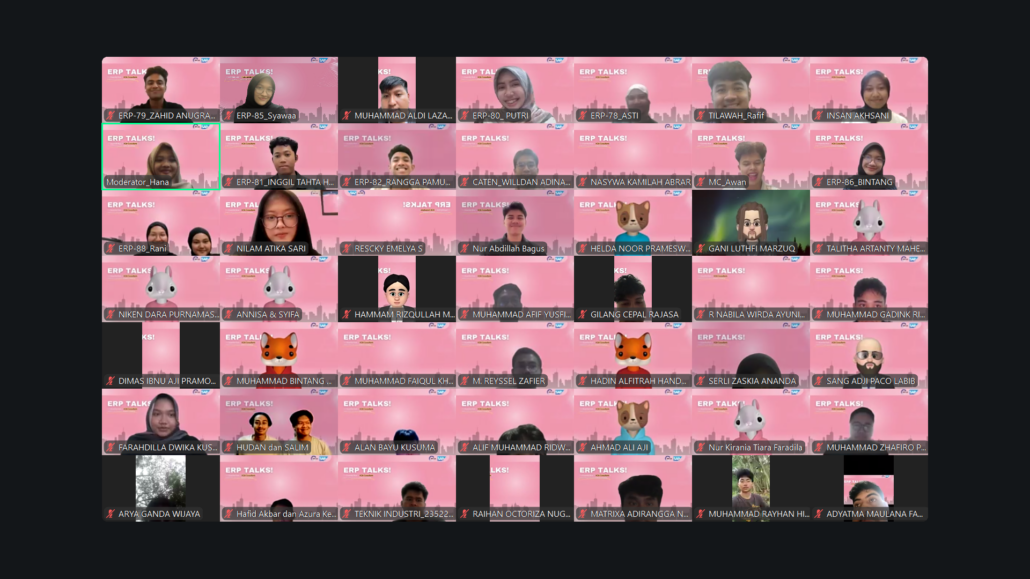
(Yogyakarta) — ERP TALKS returned on Sunday (11/21) as an online event held via Zoom. This annual program is organized by the Enterprise Resource Planning (ERP) Laboratory of Industrial Engineering, Faculty of Industrial Technology, Universitas Islam Indonesia. The event featured a sharing session on ERP-related expertise, bringing alumni back to share their professional insights. Unlike previous years, ERP TALKS 2025 carried the theme “The Essential Role of HCM Consultants in Supporting Business Value Creation“.  This theme invited participants to take a closer look at the profession of ERP Consultants, particularly in the field of Human Capital Management (HCM). In line with this topic, Nur Abdillah Bagus Prakoso, an Industrial Engineering alumnus of UII, joined as the keynote speaker. He currently works as an Oracle HCM Functional Consultant at PT Tree Solutions.

The session opened with a brief overview of the speaker’s academic and professional journey. He shared his experience starting as an assistant at the ERP Laboratory before eventually becoming directly involved in HCM system implementations across various companies.

The Role of HCM Consultants in HCIS Implementation

As the discussion moved into the main session, Nur Abdillah Bagus explained the shifting trends in human resource management. He emphasized that organizations today no longer treat employees merely as operational costs. Instead, companies increasingly position human capital as a long-term strategic investment.

“Human capital has become a company’s primary asset in creating long-term business value. This is what underlines the importance of implementing a Human Capital Information System (HCIS),” he explained.

Furthermore, he highlighted how HCM integrates various business processes within an organization. Each integrated process generates analytical data that directly supports managerial decision-making. Toward the end of the session, he stressed that HCM Consultants play a role far beyond system configuration. Consultants translate business needs into HCIS features and provide improvement recommendations to ensure that ERP implementation delivers real added value.

“A consultant must understand business processes, analyze client needs, and communicate solutions effectively—not just master system features,” he added.

Interactive Discussion

The atmosphere became even more engaging during the Q&A session. Participants enthusiastically discussed careers as ERP Consultants and the practical application of HCIS. Questions ranged from indicators of successful HCIS implementation to essential skills needed to pursue a career in ERP.

Responding to these questions, Nur Abdillah Bagus shared his perspective: “Understanding business processes, strong analytical skills, and effective communication are far more important than simply memorizing system features.”

Overall, ERP TALKS 2025 provided not only technical insights but also a practical perspective how ERP technology especially in the HCM domain can directly contribute to business value creation.

Syawarani Gayatri

Kuntoro Bismo, alumni sekaligus pembicara pada kuliah praktisi

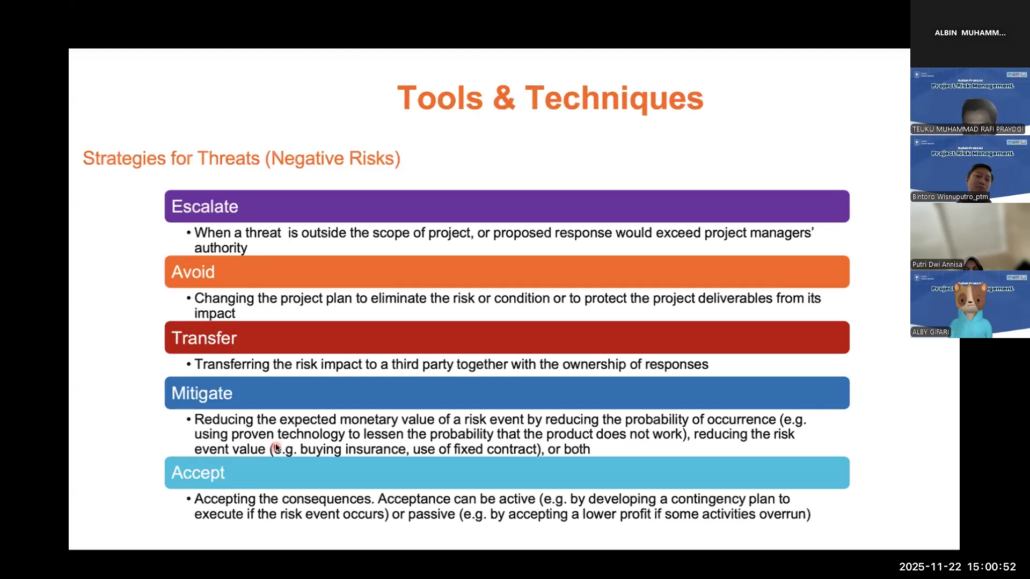
The Industrial Engineering Study Program, Faculty of Industrial Technology (FTI), Universitas Islam Indonesia (UII) once again held a Practitioner Lecture on Saturday (November 22). On this occasion, the lecture carried the theme “Project Risk Management.” Industrial Engineering students from UII actively participated in the event, which forms an integral part of the learning process. Moreover, the lecture was conducted online via the Zoom Meeting platform, allowing broader student engagement.

In this practitioner lecture, the Industrial Engineering Study Program at UII welcomed Bintoro Wisnuputro as the guest speaker. He is an alumnus of Industrial Engineering UII who currently works as a Project Management Specialist. Throughout his professional career, Bintoro has managed a wide range of projects across various industries. Through his presentation, he encouraged students to understand project risk management not only from a theoretical perspective, but also through practical experiences encountered directly in the field.

The Relationship Between Projects and Risk

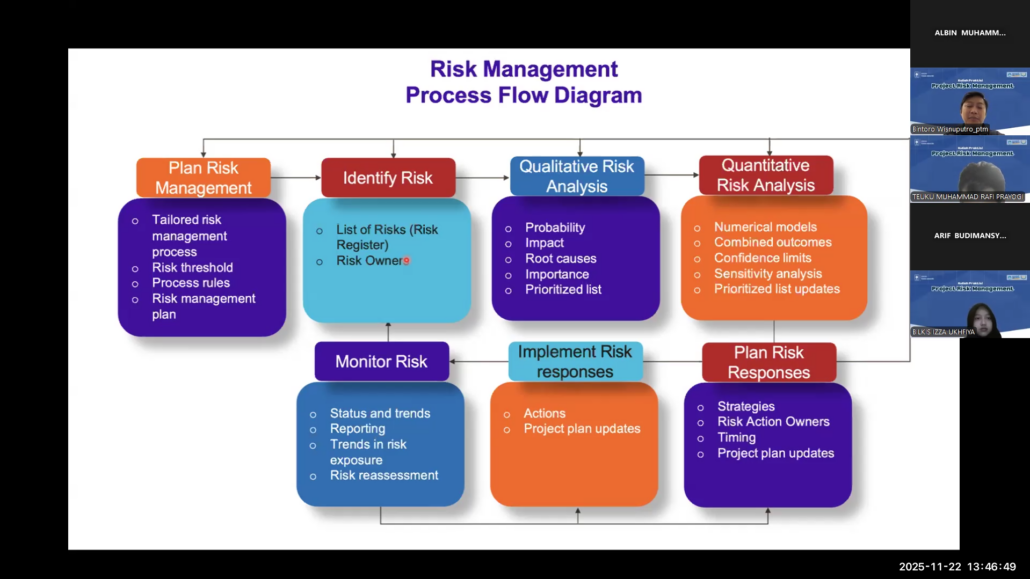
Pembicara menjelaskan tentang Risk Management Process Flow Diagram

During his presentation, Bintoro explained that risk represents an inseparable element of any project. Therefore, every project requires careful and structured risk planning to ensure that project objectives can be achieved effectively and efficiently. In addition, he emphasized the importance of conducting early risk identification, followed by risk impact analysis, and ultimately selecting appropriate mitigation strategies.

“The key to project risk management is preparedness. Risks cannot always be avoided, but they can be managed effectively,” Bintoro stated.

Interactive Discussion Session

Pembelaharan seputar bagaimana menghandle resiko yang terjadi dalam suatu projek

In addition to the main presentation, the organizing committee designed the event to be interactive. Towards the end of the session, an active discussion and question-and-answer segment took place. During this session, participants raised various questions, ranging from the implementation of risk registers, the role of project managers in risk control, to the challenges of risk management in modern projects.

Furthermore, the Industrial Engineering Study Program at UII regularly organizes practitioner lectures as part of its learning enhancement efforts. Through this activity, students not only study theoretical concepts in the classroom, but also gain direct insights from industry professionals. As a result, students are expected to better understand the practical application of their academic knowledge, while simultaneously recognizing the real challenges of the professional world.

Syawarani Gayatri

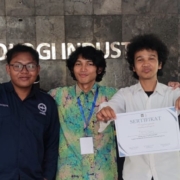
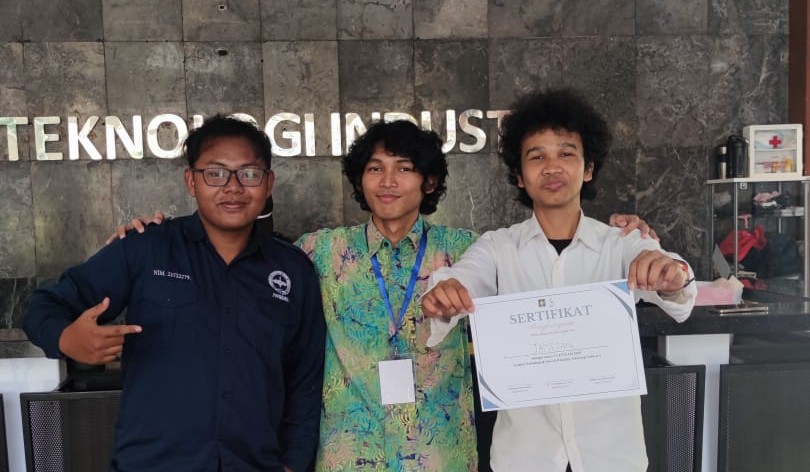
Mahasiswa Industri Raih Juara 1 di LEVITASI FTI UII dengan inovasi Food Waste

Another proud achievement comes from the Industrial Engineering students of the Faculty of Industrial Technology, Universitas Islam Indonesia (UII). This time, a team of Industrial Engineering students successfully secured 1st place at LEVITASI FTI UII 2025 (Technology and Innovation Competition), which was organized by the Student Executive Board of FTI UII. Through this achievement, the students once again demonstrated their excellence in innovation and technology.

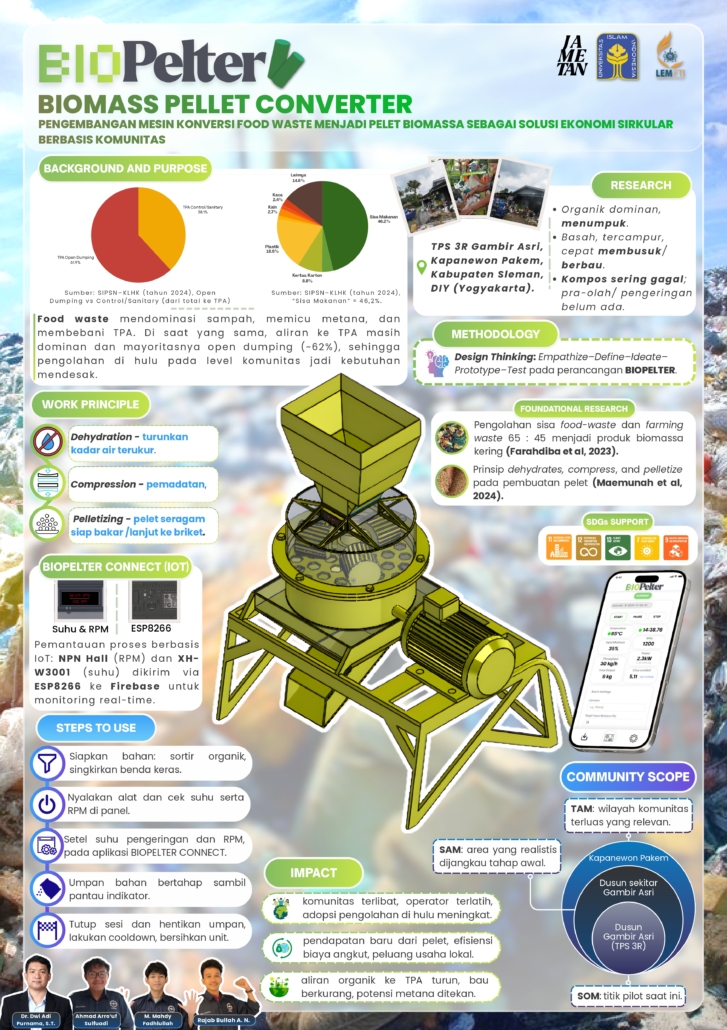
BIOPELTER: Biomass Pellet Converter

BIOPELTER: merupakan alat yang mampu mengubah food waste menjadi pelet dengan nilai jual tinggi

Under the sub-theme Circular Economy & Waste Management, the three-member team introduced an innovation called BIOPELTER: a machine designed to convert food waste into biomass pellets that can be used as animal feed.

The idea was driven by data showing that food waste dominates national waste generation. Seeing this, the team identified a major gap in the current organic waste management system that has yet to be properly addressed.

“So far, food waste is often just left unused or even burned. Through this innovation, we want to give food waste a second life by turning it into pellet material that can be sold by waste banks,” explained Arrouf, one of the team members.

According to the team, BIOPELTER was designed not only to improve food waste processing but also to create economic value for the community.

The Journey Behind BIOPELTER

Arrouf also shared the story behind the development process. He revealed that the competition journey was filled with technical challenges that pushed the team to constantly learn and adapt.

“We had to adjust and learn many technical aspects of the innovation we were building. But we managed to get through it all with consistency, perseverance, and strong teamwork,” said Arrouf.

The team applied the Agile Method approach throughout the project, which helped them continuously refine the product. During the process, they also received guidance from Dr. Dwi Adi Purnama, S.T., a lecturer in Industrial Engineering at UII, who served as their supervising mentor.

Hopes and Messages

Mahasiswa Industri Raih Juara 1 di LEVITASI FTI UII dengan inovasi Food Waste

For the team, this win is not the final destination, but a starting point for something bigger. The long journey taught them the importance of empathy, courage, and believing in their own ideas.

“At first, some people doubted this idea. But if we don’t believe in the product we’re developing, then who will?” Arrouf shared.

Closing their journey at LEVITASI FTI UII 2025, the team encouraged other students not to hesitate in joining competitions and creating innovations.

“Empathize deeply with the problem. Don’t let your solution become just a ‘mixed’ product without clear direction. Make sure it truly fits the problem and the target market. Do it with full dedication.”

This achievement proves that innovation built on empathy and courage can take UII Industrial Engineering students further. Not only in competitions, but also in addressing real issues faced by society.

Syawarani Gayatri