ERP TALKS 2025: The Role of HCM Consultant
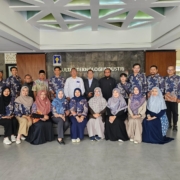
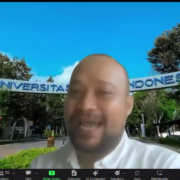
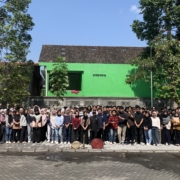
(Yogyakarta) — ERP TALKS returned on Sunday (11/21) as an online event held via Zoom. This annual program is organized by the Enterprise Resource Planning (ERP) Laboratory of Industrial Engineering, Faculty of Industrial Technology, Universitas Islam Indonesia. The event featured a sharing session on ERP-related expertise, bringing alumni back to share their professional insights. Unlike previous years, ERP TALKS 2025 carried the theme “The Essential Role of HCM Consultants in Supporting Business Value Creation“. This theme invited participants to take a closer look at the profession of ERP Consultants, particularly in the field of Human Capital Management (HCM). In line with this topic, Nur Abdillah Bagus Prakoso, an Industrial Engineering alumnus of UII, joined as the keynote speaker. He currently works as an Oracle HCM Functional Consultant at PT Tree Solutions.
The session opened with a brief overview of the speaker’s academic and professional journey. He shared his experience starting as an assistant at the ERP Laboratory before eventually becoming directly involved in HCM system implementations across various companies.
The Role of HCM Consultants in HCIS Implementation
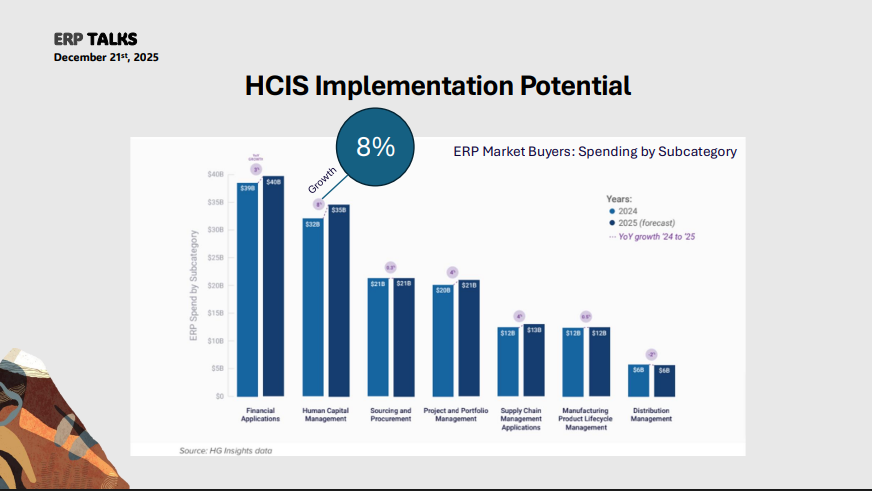
As the discussion moved into the main session, Nur Abdillah Bagus explained the shifting trends in human resource management. He emphasized that organizations today no longer treat employees merely as operational costs. Instead, companies increasingly position human capital as a long-term strategic investment.
“Human capital has become a company’s primary asset in creating long-term business value. This is what underlines the importance of implementing a Human Capital Information System (HCIS),” he explained.
Furthermore, he highlighted how HCM integrates various business processes within an organization. Each integrated process generates analytical data that directly supports managerial decision-making. Toward the end of the session, he stressed that HCM Consultants play a role far beyond system configuration. Consultants translate business needs into HCIS features and provide improvement recommendations to ensure that ERP implementation delivers real added value.
“A consultant must understand business processes, analyze client needs, and communicate solutions effectively—not just master system features,” he added.
Interactive Discussion
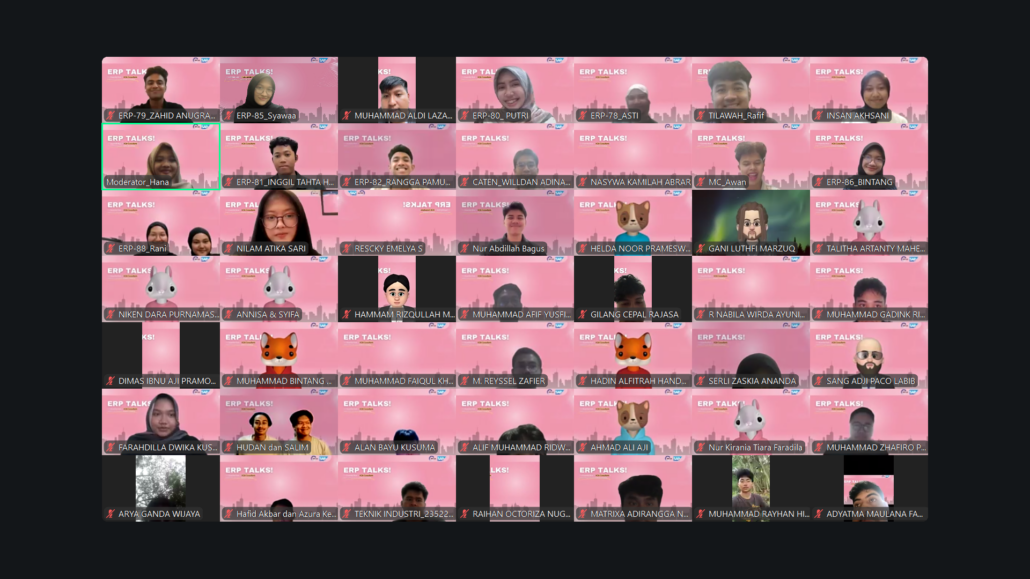
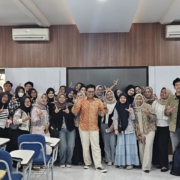
The atmosphere became even more engaging during the Q&A session. Participants enthusiastically discussed careers as ERP Consultants and the practical application of HCIS. Questions ranged from indicators of successful HCIS implementation to essential skills needed to pursue a career in ERP.
Responding to these questions, Nur Abdillah Bagus shared his perspective: “Understanding business processes, strong analytical skills, and effective communication are far more important than simply memorizing system features.”
Overall, ERP TALKS 2025 provided not only technical insights but also a practical perspective how ERP technology especially in the HCM domain can directly contribute to business value creation.
Syawarani Gayatri

 IP IE UII
  iprd
iprd