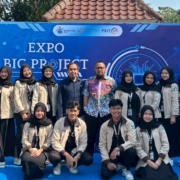
Semarang, June 26, 2026 – The Industrial Engineering Study Program at Universitas Islam Indonesia (UII) organized an industrial visit to PT Marifood, located in the Candi Industrial Estate, Semarang, as part of its commitment to providing students with practical industrial experience. The annual program involved Industrial Engineering students from the Class of 2024 and was designed to strengthen their understanding of concepts taught in the Quality Control and Quality Assurance course.

Accompanied by faculty members, the students explored how manufacturing theories are applied in real industrial settings. The UII industrial visit provided valuable exposure to production systems, quality assurance practices, and modern manufacturing operations, allowing students to connect classroom learning with industry practices.

UII Industrial Engineering Students Explore Manufacturing Processes at PT Marifood

The UII Industrial Visit began with a guided factory tour, where students observed the production process and learned how automated packaging systems improve efficiency and product quality. They gained firsthand knowledge of manufacturing workflows, from raw material processing to finished product packaging, while observing how quality standards are maintained throughout the production line.

Following the factory tour, the participants returned to the main hall and were invited to sample a variety of PT Marifood’s food and beverage products. Several students also had the exclusive opportunity to participate in a tasting session for products that have not yet been released to the public, making the experience even more memorable.

“This has been a completely new and valuable experience throughout my university life. I hope activities like this will continue to be organized in the future,” said Sekar.

The educational visit concluded with a token of appreciation presented by PT Marifood’s management in the form of a framed group photograph, commemorating the collaboration between the company and Universitas Islam Indonesia.

Strengthening Student Bonds at Saloka Theme Park

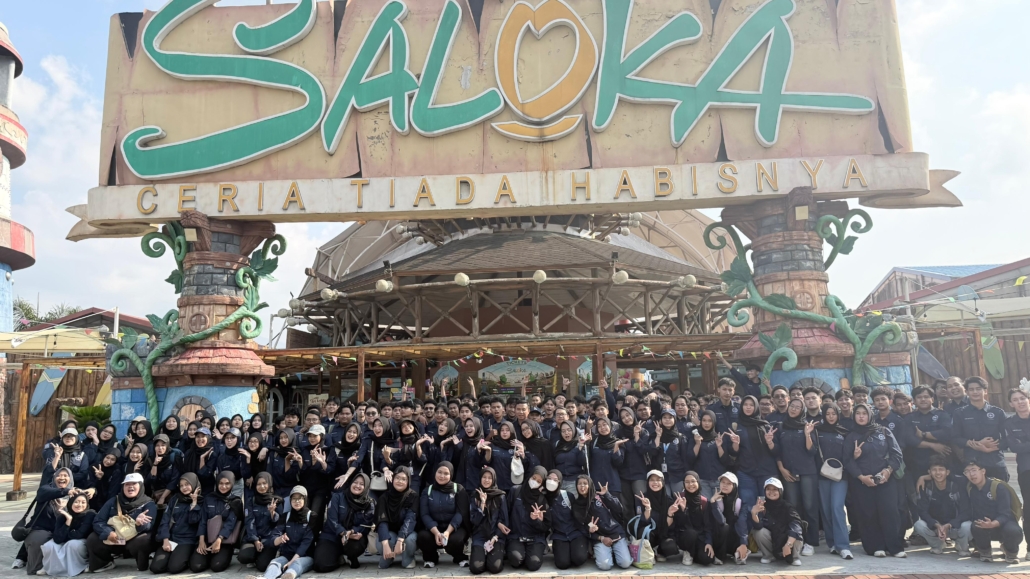
Mahasiswa Teknik Industri di Saloka Theme Park

After completing the academic agenda at PT Marifood, the students continued their journey to Saloka Theme Park in Semarang. The recreational visit provided an opportunity to relax after a full day of industrial learning while strengthening friendships and teamwork among classmates.

As the largest theme park in Central Java, Saloka offered an enjoyable environment where students could create lasting memories before returning to Yogyakarta. The combination of educational and recreational activities highlighted the importance of balancing academic development with student engagement.

“It was so much fun and the perfect opportunity to relax while strengthening our friendship with our classmates. I hope activities like this will continue because they provide unforgettable experiences,” said Salsa.

The industrial visit to PT Marifood and Saloka Theme Park successfully provided Industrial Engineering students from Universitas Islam Indonesia with valuable insights into modern manufacturing practices while fostering stronger relationships among their peers. Through direct exposure to industrial operations and quality management systems, students gained practical knowledge that complements their academic studies and prepares them for future careers in the manufacturing industry.


Kaila Bilbina M.S

Jumat (26/06/2026) – Program Studi Teknik Industri, Universitas Islam Indonesia (UII) menyelenggarakan kegiatan kunjungan industri TI UII ke PT Marifood di Kawasan Industri Candi, Semarang. Mahasiswa angkatan 2024 mengikuti agenda tahunan untuk memperdalam pemahaman praktis yang berkaitan erat dengan mata kuliah Pengendalian dan Penjaminan Mutu. Para Dosen mendampingi seluruh peserta agar mereka dapat mengorelasikan teori perkuliahan dengan realitas di pabrik secara langsung. Pihak manajemen perusahaan menyambut hangat kedatangan rombongan akademisi ini di aula utama sebelum tur fasilitas dimulai. Kunjungan industri ini bertujuan untuk menambah wawasan mahasiswa agar mengetahui proses kerja di industri manufaktur dari pengolahan bahan mentah hingga menjadi barang jadi. 

Eksplorasi Produksi dalam Kunjungan Industri TI UII

Kegiatan dimulai dengan melakukan tur ke area pabrik untuk melihat langsung proses pengemasan produk menggunakan mesin otomatis. Setelah selesai melihat lantai produksi, para mahasiswa kembali ke aula utama dan seluruh peserta dipersilakan mencoba berbagai produk PT Marifood, mulai dari minuman hingga makanannya. Kunjungan industri TI UII ini terasa semakin berkesan karena beberapa peserta berkesempatan langsung mengikuti sesi testing produk yang belum rilis. 

“Ini menjadi pengalaman baru yang sangat berbeda dan berharga selama masa perkuliahan, semoga kegiatan seperti ini semakin banyak ke depannya,” ucap Sekar.

Agenda edukatif ini diakhiri dengan pemberian kenang-kenangan berupa figura foto bersama mahasiswa dari pihak manajemen Marifood. 

Keseruan Rekreasi di Saloka Theme Park

Mahasiswa Teknik Industri di Saloka Theme Park

Setelah seluruh rangkaian agenda formal di pabrik selesai, para mahasiswa melanjutkan perjalanan ke Saloka Theme Park Semarang. Momen ini menjadi kesempatan bagi para mahasiswa untuk melepas penat sejenak setelah seharian belajar di lapangan. Suasana di taman rekreasi terbesar di Jawa Tengah tersebut berlangsung sangat seru dan menjadi wadah yang pas untuk mempererat kebersamaan serta keakraban dengan teman seangkatan sebelum akhirnya harus kembali ke Yogyakarta. Para mahasiswa berharap kegiatan edukatif sekaligus rekreatif seperti ini dapat terus dipertahankan pada tahun-tahun berikutnya. 

“Suasananya seru banget dan jadi momen yang pas untuk refreshing sekaligus menambah kebersamaan dengan teman-teman seangkatan. Semoga ke depannya kegiatan seperti ini bisa terus diadakan karena memberikan pengalaman yang nggak terlupakan “, ungkap Salsa.

Melalui kombinasi kegiatan akademik di PT Marifood dan momen kebersamaan di Saloka, kunjungan industri TI UII kali ini sukses membekali mahasiswa angkatan 2024 dengan wawasan industri yang nyata sekaligus kenangan masa kuliah yang berkesan. 


Kaila Bilbina M.S

Factory Visit ke Yamaha

International Undergraduate Program in Industry Engineering (IUP IE) UII once again held its annual agenda, Educational Visit 2024. With the event titled “Road to Japan”, Japan became this year’s destination, a country which has long been famous for its innovation, high technology, and cultural richness.

This activity took place for 9 days and 7 nights from Sunday (25/2) to Monday (4/3). “Educational Visit is a routine agenda of the IUP IE to provide international exposure to their students, especially IUP students, in the hope that they all have overseas experience,” said Annisa Uswatun Khasanah, S.T., M.BA., M.Sc., lecturer of Industrial Engineering UII as well as the companion of the Educational Visit agenda.

According to Annisa, the Educational Visit focuses on visiting universities and industries abroad. Their agenda includes University Visit, Factory Visit, and City Tour.

University Visit

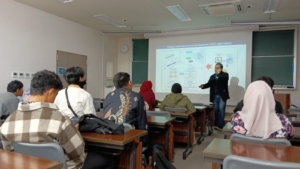
Mahasiswa mengikuti One Day Training mengenai Energy & Process Integration di University of Tokyo

During the University Visit, students visited the University of Tokyo, one of the best universities in Japan. Students were invited to tour the campus and had the opportunity to do One Day Training about Energy & Process Integration. In addition, students were also invited to explore Kyushu University. A university that is strong in research, especially in fields like engineering, science, and medicine. “IP students can get the atmosphere of learning at an overseas university, as well as interacting with foreign students and lecturers. Two short lectures on Energy and Enviromental were so exciting” said Annisa.

Factory Visit

Factory Visit

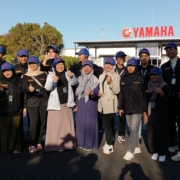
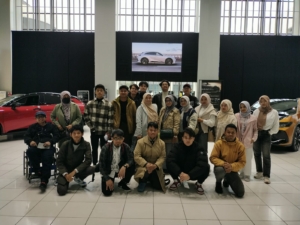
As an Industrial Engineering student, understanding industrial practices in developed countries such as Japan is extremely valuable. Through Factory Visit, students visited several leading factories in Japan, such as Yamaha, Suzuki, and Toyota. Annisa said, “IP students are invited to visit well-known factories that already have sophisticated industrial systems, such as automation and so on. So that later the implementation of the industrial world that they have learned during college can be reflected in the industries visited, such as Kaizen, Poka Yoke, and 5S (Seiri, Seiton, Seiso, Seiketsu, Shitsuke).”

City Tour and Cultural Immersion

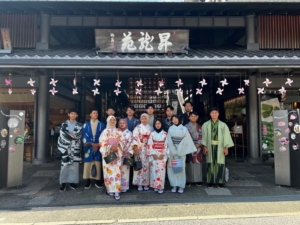
Mahasiswa mengenakan pakaian tradisional Jepang saat melakukan City Tour

Furthermore, there was the City Tour and Cultural Immersion. The destination cities include Tokyo, Kyoto, Osaka, and Fukuoka. IP students are invited to explore the beauty and uniqueness of Japanese culture through visits to historical sites, parks, and bustling city centers. On this trip, they will have the opportunity to experience cultural immersion, deepening their understanding of the country’s history and traditions.

“It was amazing, we visited a leading Japanese corporation and one of the top universities in the world. We even got to see stuff we’ve only talked about in class, like Poka Yoke and the Toyota Production System (TPS), right there at the source. The university visit was just as impressive, with its stunning campus and engaging classes. The highlight, however, was learning about their emphasis on hydrogen energy as the future of energy,” said Alfina Dewi Hendryani, one of the IP students who participated.

Salwa Nur Rahma

Factory Visit ke Yamaha

Program Internasional Teknik Industri UII kembali menyelenggarakan agenda tahunan, Educational Visit 2024. Dengan kegiatan bertajuk “Road to Japan”, Jepang menjadi destinasi tahun ini, sebuah negara yang telah lama terkenal dengan inovasi, kecanggihan teknologi, dan kekayaan budayanya.

Kegiatan ini berlangsung selama 9 hari 7 malam pada Minggu (25/2) hingga Senin (4/3). “Educational Visit merupakan agenda rutin International Program Teknik Industri untuk memberikan international exposure ke mahasiswa, khususnya mahasiswa IP, dengan harapan mereka semua memiliki pengalaman ke luar negeri,” ungkap Annisa Uswatun Khasanah, S.T., M.BA., M.Sc., dosen Teknik Industri UII sekaligus pendamping agenda Educational Visit.

Menurut Annisa, Educational Visit berfokus untuk mengunjungi universitas dan industri di luar negeri. Agenda mereka antara lain adalah University Visit, Factory Visit, dan City Tour.

University Visit

Mahasiswa mengikuti One Day Training mengenai Energy & Process Integration di University of Tokyo

Dalam University Visit, mahasiswa mengunjungi University of Tokyo, salah satu universitas terbaik di Jepang. Mahasiswa diajak untuk berkeliling kampus serta berkesempatan melakukan One Day Training mengenai Energy & Process Integration. Selain itu, mahasiswa juga diajak menelusuri Kyushu University. Sebuah universitas yang kuat akan penelitian, terutama di bidang-bidang seperti teknik, sains, dan kedokteran. “Mahasiswa IP akan mendapatkan suasana pembelajaran di universitas luar negeri, serta berinteraksi dengan mahasiswa dan dosen asing,” kata Annisa.

Factory Visit

Factory Visit

Sebagai mahasiswa Teknik Industri, memahami praktik industri di negara-negara maju seperti Jepang sangatlah berharga. Melalui Factory Visit, mahasiswa mengunjungi beberapa pabrik terkemuka di Jepang, seperti Yamaha, Suzuki, dan Toyota. Annisa menyampaikan, “mahasiswa IP diajak mengunjungi pabrik-pabrik ternama yang sudah memiliki sistem industri canggih, seperti otomasi dan sebagainya. Sehingga nanti implementasi dunia industri yang telah mereka pelajari selama kuliah bisa tercermin di industri yang dikunjungi, seperti Kaizen, Poka Yoke, dan 5S (Seiri, Seiton, Seiso, Seiketsu, Shitsuke).”

City Tour dan Cultural Immersion

Mahasiswa mengenakan pakaian tradisional Jepang saat melakukan City Tour

Selanjutnya, terdapat City Tour dan Cultural Immersion. Kota-kota yang menjadi destinasi antara lain adalah Tokyo, Kyoto, Osaka, dan Fukuoka. Mahasiswa IP diajak untuk menyusuri keindahan dan keunikan budaya Jepang melalui kunjungan ke situs-situs bersejarah, taman, dan pusat-pusat kota yang ramai. Dalam perjalanan ini, mereka akan memiliki kesempatan untuk merasakan cultural immersion, memperdalam pemahaman mereka tentang sejarah dan tradisi negara ini.

“Sebuah pengalaman yang luar biasa, kami mengunjungi perusahaan Jepang terkemuka dan salah satu universitas terbaik di dunia. Kami bisa melihat hal-hal yang hanya ada di kelas, seperti Poka Yoke dan Toyota Production System (TPS), langsung di sumbernya. Kunjungan ke universitas juga sama hebatnya, yang paling menarik adalah belajar tentang penekanan mereka pada energi hidrogen sebagai masa depan energi,” ucap Alfina Dewi Hendryani, salah satu mahasiswa IP yang menjadi peserta.

Salwa Nur Rahma

This year, Student Creativity Program 2021 or  “PKM”  (Program Kreativitas Mahasiswa)  has been launched. This program is very prestigious that many universities in Indonesia expect to become the winner. It has a big impact on institutions and students involved in the program for the development of their careers.

PKM Corner UII has released a schedule for Internal PKM Selection. The following dates must be highlighted :

February 16 – 22, 2021 Internal Systems Selection through https://pkmcorner.uii.ac.id/
February 23-24, 2021 Internal Review
February 25, 2021 Announcement and Account Release  simbelmawa.kemendikbud.go.id
February 26, 2021 Document Completion
February 27, 2021 Upload Deadline

Then, What is Student Creativity Program/PKM?

Let’s take a look at the following information :

For further information you can visit :

UII PKM Corner

Ministry of Education and Culture of Republik of Indonesia

PKM Guideline 2021

Introduction

  • University graduates should have: academic knowledge, the skill of thinking, management skill, dan communication
  • The distinguished attitude that should be demonstrated:
    • Creative (unique and gives benefits)
    • Constructive (manifestable).
  • Product of PKM: creative and constructive
  • Process of PKM: the content that is full of knowledge, rich in information, interconnected to meet new ideas, resources management, and able to deliver ideas properly

Fields of PKM

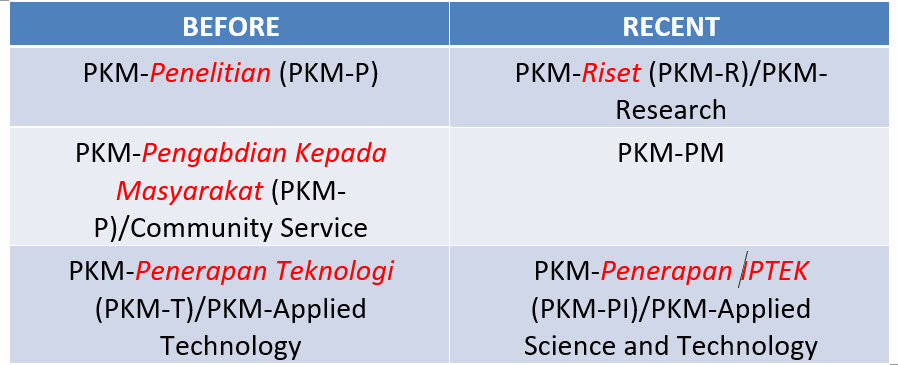
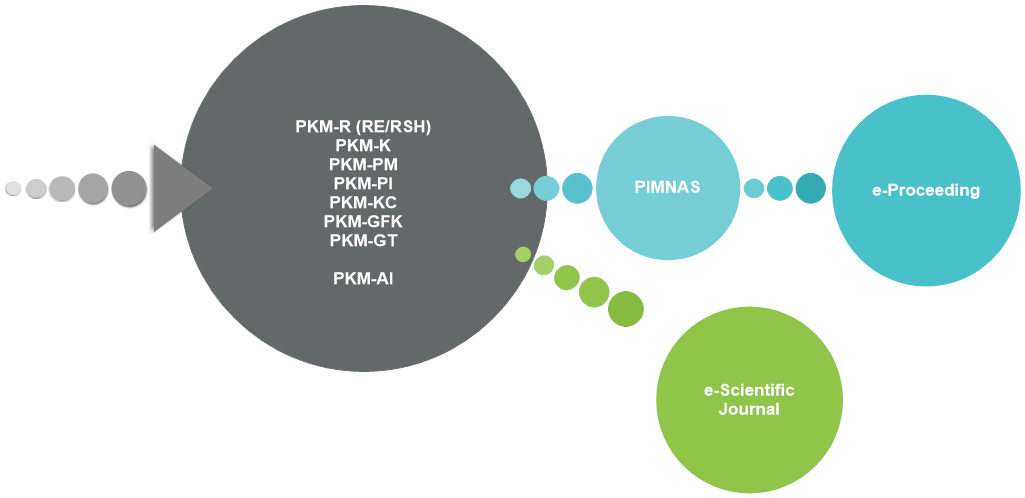
  1. Research Field (PKM Bidang Riset (PKM-R)
  2. Enterpreneur Field (PKM Bidang Kewirausahaan (PKM-K))
  3. Community Service Field (PKM Bidang Pengabdian Kepada Masyarakat (PKM-PM))
  4. Applied Science and Technology Field (PKM Bidang Penerapan Iptek (PKM-PI))
  5. Inspiration and Creation Field (PKM Bidang Karsa Cipta (PKM-KC))
  6. Constructive and Futuristic Ideas Field (PKM Gagasan Futuristik Konstruktif (PKM-GFK))
  7. Written Ideas Field (PKM Gagasan Tertulis (PKM-GT))
  8. Scientific Article Field (PKM Artikel Ilmiah (PKM-AI))

PKM Gagasan Futuristik Konstruktif (PKM-GFK)/PKM For Constructive and Futuristic Ideas , previously was provided with incentive. Recently, it will be accommodated with funding for video creation.

PKM Criteria

SCHEME

CRITERIA
Activity Criteria of Study Bachelor Degree Members (College Students)** Funding (Rp. In Million)

Output

PKM-R* Science and technology-based deep observation to reveal new information Based on study major, cross major is advised

S1

3-5

5-10

Progress Report,

Final Report,

Scientific paper, and/or product of the program

PKM-K* The product of Science and technology as the commodity of students’ business Irrelated to study major

S1

3-5

5-10

Progress Report,

Final Report,

Business Product

PKM-PM* Science and technology-based solution (technology /management) for non-profit partner Irrelated to study major

S1

3-5

5-10

Progress Report,

Final Report,

Scientific paper, and/or product of the program

PKM-PI* Science and technology-based solution (technology /management) for profitable partners Based on study major, cross major is advised

S1

3-5

5-10

Progress Report,

Final Report,

Scientific paper, and/or product of the program

PKM-KC* The work should be the result of functional idea construction Based on study major, cross major is advised

S1

3-5

5-10

Progress Report,

Final Report,

Prototype or functional products

PKM-GFK* SDGs and National issues It is allowed for different study major, cross major is advised

S1

3-5

5-10

Progress Report,

Final Report,

Video that should be uploaded to YouTube

PKM-GT* A paper that contains ideas on future transformation concept Irrelated to study major

S1

3-5

Incentive

3

Scientific article that includes the concept of transformation or development
PKM-AI Scientific Article as the result of student’s academic activities Based on study major, cross major is advised S1 3-5 Incentive

3

Scientific Article

* The program that will be resumed in the National Student’s Scientific Week/PIMNAS

** In the year of PKM implementation, the participants are still recorded as active students (have not accomplished the bachelor degree yet)


The Objectives of PKM

  • To prepare the human resources who oriented to future and being strengthened by the higher education transformation, to be distinguished, competitive, adaptive, flexible, productive, and competitive under the character of Pancasila, that reflect the personality of:
    • Aware of and obey the rule
    • Creative and innovative
    • The cooperative objective in establishing intellectual diversity.


General Characteristics of PKM

  • Unlimited topics
  • Recent topics are preferable
  • And or main topics of SDGs
  • Towards independent campus, free in studying

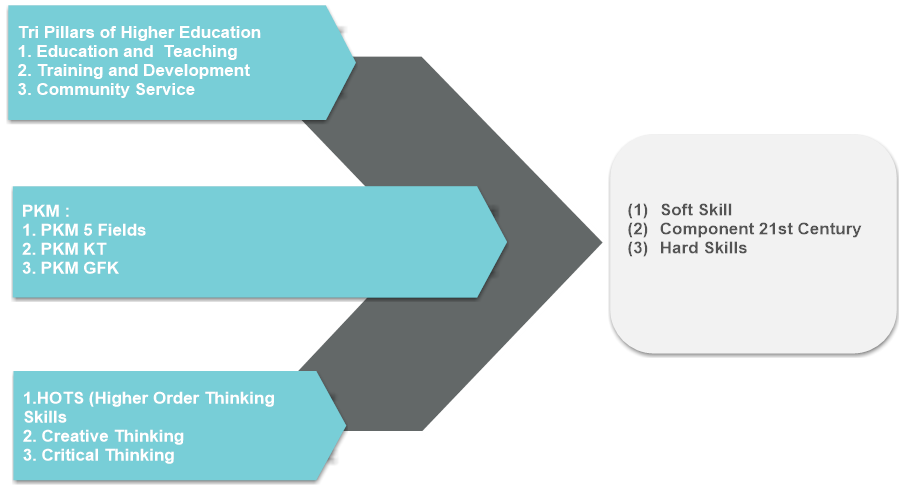
Skema PKM vs Tri dharma


PKM Grouping

  1. PKM 5 Fields consist of PKM-R, PKM-K, PKM-PM, PKM-PI and PKM-KC
  1. PKM-Gagasan Futuristik Konstruktif (PKM-GFK)/PKM-Futuristic and Constructive Idea (PKM-GFK)
  2. PKM-AI and PKM-G

PKM and PIMNAS

PKM – R

  • Topic: Unlimited, the most recent topics are preferable
  • Title: Avoid the acronym, unstandardized abbreviation, maximum 20 words.
  • PKM-RE: reveals the cause-effect correlation action-reaction, design, exploration, alternative material, attractive product design, blueprint, and others or identification of the active chemical compound.
  • PKM-RSH: reveals the cause-effect correlation, descriptive research about social behavior, economics, education, health, or culture either related to local wisdom or contemporary behavior.

•       Characteristics of research type:

No Types of Research Characteristics Examples in the Field of Application
1 Exact Research The object of research that emphasized more on natural phenomenon based on the law of physics, chemistry, and biology. Medical, health, pharmacy, agro, technology, material science, basic sciences, mathematics, and Earth
2 Social Research The object of the research that emphasized on the interaction social phenomenon in community, such as economics, human relationship, sociology, management, and politics. Economics, sociology, psychology, management, politics, and others
3 Humanities Research The object of the research that emphasized on the behavior basic aspect in the community Cultural sciences, art, philosophy, customs, beliefs (religion), law, and ethics

•       Characteristics based on the approach

No Types of Research Characteristics Examples in the Field of Application
1 Empirical Research Research is performed by using pronounced and valid measurement tools for data collecting. The analyzed data is numeric, both for quantitative or qualitative with pronounced and systematic method Commonly used in the Field of exact and social sciences
2 Non-Empirical Research Research is performed with the absence of specific measurement tools that tends to have high subjectivity in data mining or information. A literature review could be classified as the method in this type of research Commonly used in the field of humanities, although it could also be applied in the field of exact and social sciences


  • The Method of research:

– Virtual: simulation, artificial intelligence, and others.

– Digital: to establish software or system.

– Online: to collect the data by using the internet, for example online questionnaire, employing existing data set.

– Laboratory research: to perform research in the laboratory under strict health protocol.

  • Types of output:

No Category of PKM-R Research Approach Research Platform Output
1 IPA/Exact Sciences Empirical Virtual, digital, online. Laboratory Original article
2 IPA/Exact Sciences Non-empirical Virtual, digital online Critical review (Narrative or systematic review)
3 Social Empirical Virtual, digital online, offline Original article
4 Social or Humanities Non-empirical Virtual, digital online, offline Critical review


PKM – K


  • Topic: Unlimited, the most recent topics are preferable
  • Title: Avoid the acronym, unstandardized abbreviation, maximum 20 words.
  • Objective: to nurture the students’ understanding and skill in creating unique commodities and to be a pioneer for profit-oriented entrepreneurship.
  • Characteristics: to feature the uniqueness and the benefit of a commodity over profits.
  • The main subject is the students, others only play as supporters.

•     The Implementation of PKM- K:

  • Virtual-digital: the utilization of internet, cellular, social media, search engine, and other, in its correlation to concept drafting and the production of business product.
  • Online: For example, online-based marketing for products.
  • Offline: the existence of direct interaction without physical interaction, under strict health protocol.


PKM-PM

  • Topic: Unlimited, the most recent topics are preferable
  • Title: Avoid the acronym, unstandardized abbreviation, maximum 20 words.
  • The Objective: to nurture students’ empathy towards issues in society through the implementation of science and technology. The issue is originated from the community, not from students’ hypotheses.
  • Partner: small-scale community, unoriented to profit and being proven with the letter of willingness to become a partner (as the attachment of proposal).

The Implementation of PKM-PM

  • Virtual-digital: the utilization of internet, cellular, social media, search engine, and others as tools for community service.
  • Online: examples, online-based communication with partners.
  • Offline: the existence of direct interaction without physical interaction under strict health protocol.

PKM-PI

  • Topic: Unlimited, the most recent topics are preferable
  • Title: Avoid the acronym, unstandardized abbreviation, maximum 20 words.
  • Objective: to disclose the students’ insight on science and technology towards the issues in the profit-oriented business world or community (midwives who own maternity clinic, farmer, fishermen, pedicab drivers, etc).
  • The problems should be originated from partners and classified as priority problems, not students’ hypotheses.
  • Partners: to provide the letter of willingness in becoming the partner (as the attachment of the proposal)

The Implementation of PKM-PI

  • Virtual-digital: the utilization of the internet, cellular, social media, search engine, and others, started from the planning, communication to implementation.
  • Online: examples, online-based communication with partners.
  • Offline: the existence of direct interaction without physical interaction under strict health protocol.

PKM-KC

  • Topic: Unlimited, the most recent topics are preferable
  • Title: Avoid the acronym, unstandardized abbreviation, maximum 20 words.
  • The objective: to shape students’ ability to create something new and functional on the basis of the intention and common sense.
  • The product might not provide direct benefit, but not imitate the existing products.
  • It is allowed to modify the principle or feature of an existing product.

The sources of inspiration in PKM-KC, among others:

  • The result of research, which reaches the stage of technical design without any tested-ready prototype yet, or else.
  • Solution over problems, the needs or challenges encountered by community, government, or business. If the result of research cannot be found as the basis of PKM-PC activity, hence applicative research that produces functional products could be employed and equalized with PKM-KC.
  • The development or the improvement of the existing product’s by demonstrating the differences.

The following conditions are unable to be categorized as PKM-KC:

  • PKM-R that has resulted in the ready-tested model, yet unable to hit 1:1 scale is still considered unfunctional.
  • Generic and specific solution for the business world is concluded in PKM-PI. But, if the solution is classified as non-generic (none of the products with identical specifications has existed in the market), hence the activity is classified as PKM-KC.

PKM-GFK

  • Topic: SDGs
  • Title: Avoid the acronym, unstandardized abbreviation, maximum 20 words
  • Objective: to motivate students’ participation in managing imagination, perception, and common sense, to figure out the futuristic yet constructive management as the effort to accomplish the objective of SDGs in Indonesia and to find the solution on Indonesian apprehension.


PKM-AI

  • Topic: Unlimited, the most recent topics are preferable
  • Title: Avoid the acronym, unstandardized abbreviation, maximum 20 words.
  • The objective: to provide students with experience in composing the scientific writing originated from the group activity in the field of education, research and community service.

PKM – GT

  • Topic: Unlimited, the most recent topics are preferable
  • Title: Avoid the acronym, unstandardized abbreviation, maximum 20 words.
  • The objective: to enhance students’ imagination in responding to the challenges.
  • Characteristics: A concept of transformation and/or development from the various aspects, such as nation, futuristic, long-term, that has a potency to be objectified.


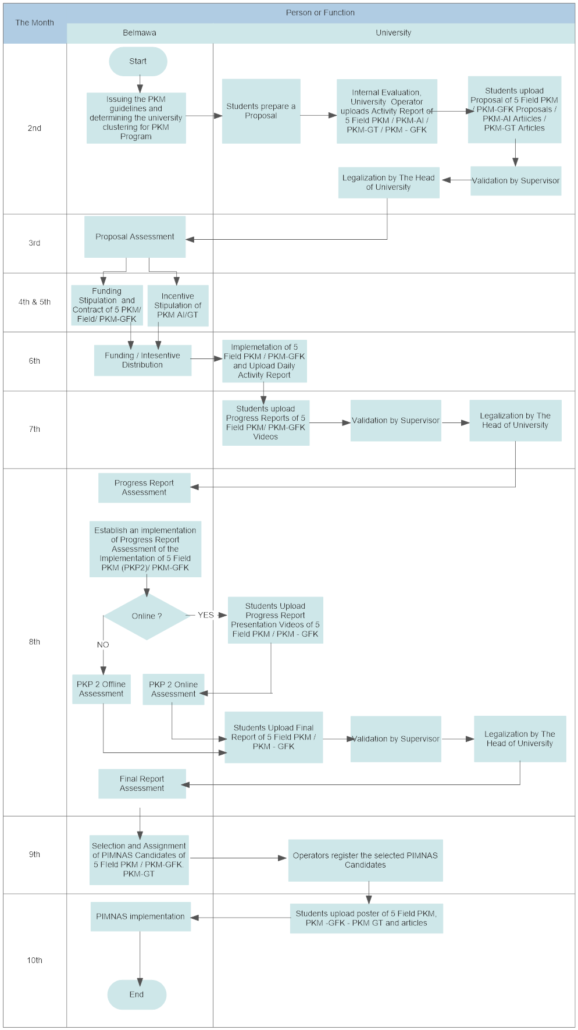
STAGES OF PKM 2021

PROPOSAL SUBMISSION

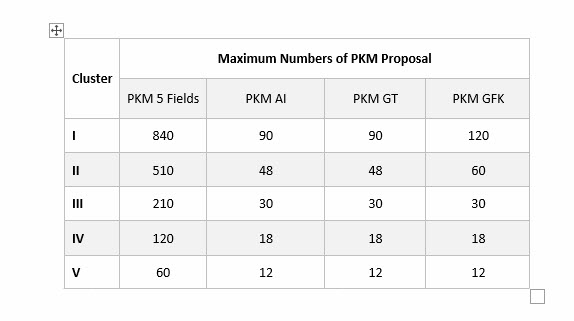
  • Each student could involve in more than 2 proposer teams, yet only allowed to involve in 2 funded teams, at the most as the chair-member or member-member. A lecturer could supervise a maximum of 10 proposals.

PKM Proposal Submission

PROPOSAL ASSESSMENT


  • Two stages are performed:
    • A first stage (1 assessor): the conformity on mandatory administration requirement, the suitability of proposal format, the suitability of selected PKM field.
    • A second stage (2 assessors): All processes that are included in the first stage + the level of program creativity that covers several aspects: topics repetition, intellectual challenge weight, and it also emphasizes the aspect of creativity/substantial

PROPOSAL FUNDING

  • A Final score for proposal: the total score of both assessors in the second stage.
  • If the total reaches above passing grade, then the proposal will be funded by Belmawa.
  • University or other parties are allowed to provide the additional funds with a maximum of 25% of the Belmawa fund.
  • The stamped-notification letter addressed to Belmawa from the university is a must.

THE IMPLEMENTATION AND PROGRESS REPORT

  • The alteration of team member or supervisor should be performed before the assessment of implementation progress PKM (PKP2).
  • The change of the partner for PKM-PM and PKM-PI, should be executed as soon as possible.
  • The chairman only could be replaced by the team member with the acknowledgment of the Head of the university in Student Affairs.
  • The PKM implementation should be recorded in SIMBelmawa (Logbook, progress report that is attached with proof of expenses and the evidence of implementation).

PKP 2


  • It could be performed online and offline depends on the condition amid the COVID-19 pandemic. If the activity is decided to be performed online, the information will be announced 2 weeks before.
  • For online purposes, the team should make the implementation and progress video to be later uploaded to YouTube.
  • The assessor of PKP 2, consists of 2 assessors from Belmawa.

FINAL REPORT AND SCIENTIFIC ARTICLE

  • Without a final report, the selected team will not be nominated in PIMNAS.
  • It is mandatory for PKM-GFK to upload the final report, poster, and video before PIMNAS.
  • NA = 3*NP+0.2*NLK+0.5*NP
  • PKM-GFK, NP = 0.25 Presentation + 0.25


Presented By : M. Ridwan Andi Purnomo, S.T., M.Sc., Ph.D.

Published by   : Admin IP IE UII